A digital inspection report for home watch is a photo-supported, timestamped document that records each scheduled property visit so absentee homeowners stay fully informed about their property’s condition from anywhere. These reports are the backbone of professional home watch services, covering everything from HVAC performance to signs of water intrusion, pest activity, and security concerns. Many vacant home insurance policies require documented inspections on a regular schedule, making a reliable digital report not just convenient but necessary. Vanguard Home Watch LLC delivers these reports to seasonal homeowners across Naples, North Naples, and Ave Maria, Florida, after every weekly visit.
What does a digital inspection report home watch include?
A high-quality digital property inspection report contains specific, structured documentation. Without these elements, a report is just a checklist with no accountability.
The core components every report should include:
- Date and time stamp on every visit, confirming when the inspection occurred
- Photo documentation of interior and exterior systems, including HVAC units, water heaters, plumbing fixtures, windows, doors, and the roof line
- Status observations using clear categories such as pass, needs attention, or urgent action required
- Immediate notifications for urgent findings like active leaks, HVAC failure, or signs of forced entry
- Humidity and temperature readings inside the home, which matter especially in Florida’s climate
- Pest and mold observations, noting any visible activity or moisture-related concerns
- Security checks, confirming that all entry points are locked and undisturbed
Inspection reports cover HVAC, plumbing, and security systems with photo proof and immediate alerts as standard practice. That level of documentation gives you a clear, time-ordered record of your property’s condition across every visit.
Pro Tip: Ask your provider to include interior humidity readings in every report. In Southwest Florida, humidity above 60% inside a vacant home accelerates mold growth within days, not weeks.
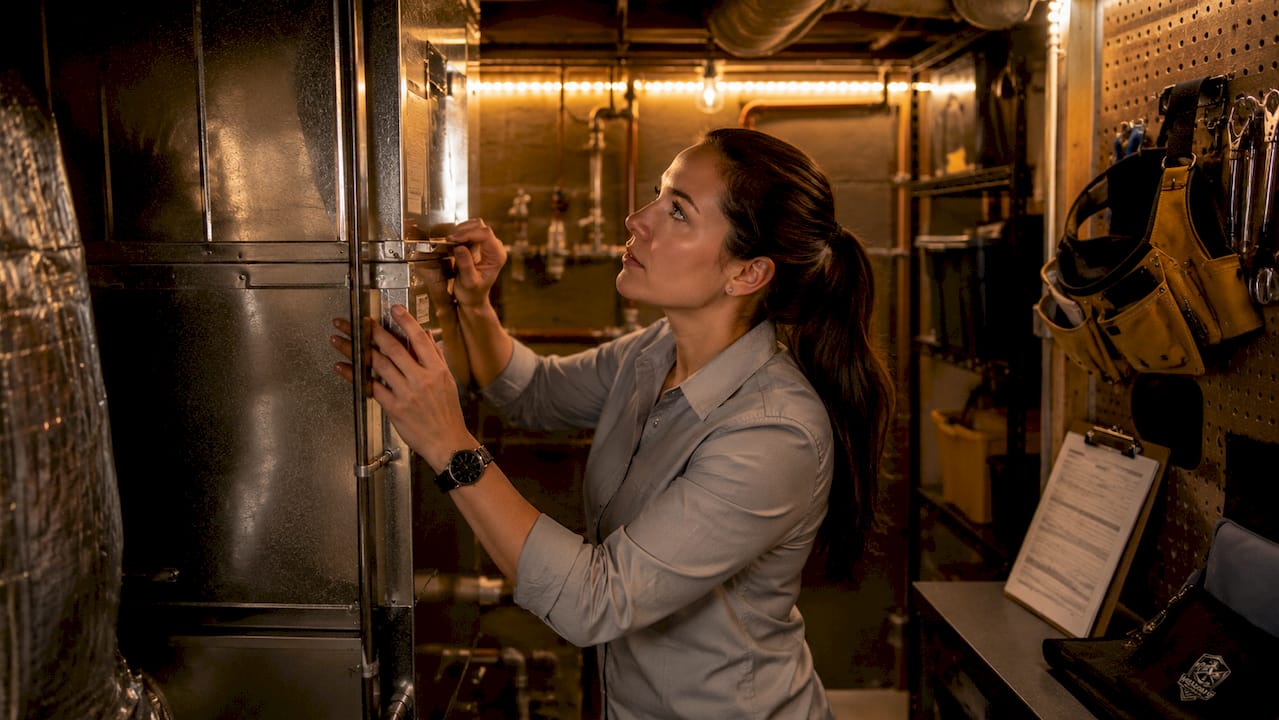
A well-structured report also serves as a legal and insurance record. If a claim arises, timestamped photos from a professional visit carry far more weight than a homeowner’s recollection.
How to choose the right digital inspection report service
Not all property condition report services deliver the same quality. The difference between a thorough professional report and a basic drive-by note can determine whether a slow leak gets caught in week one or causes $40,000 in damage by month three.
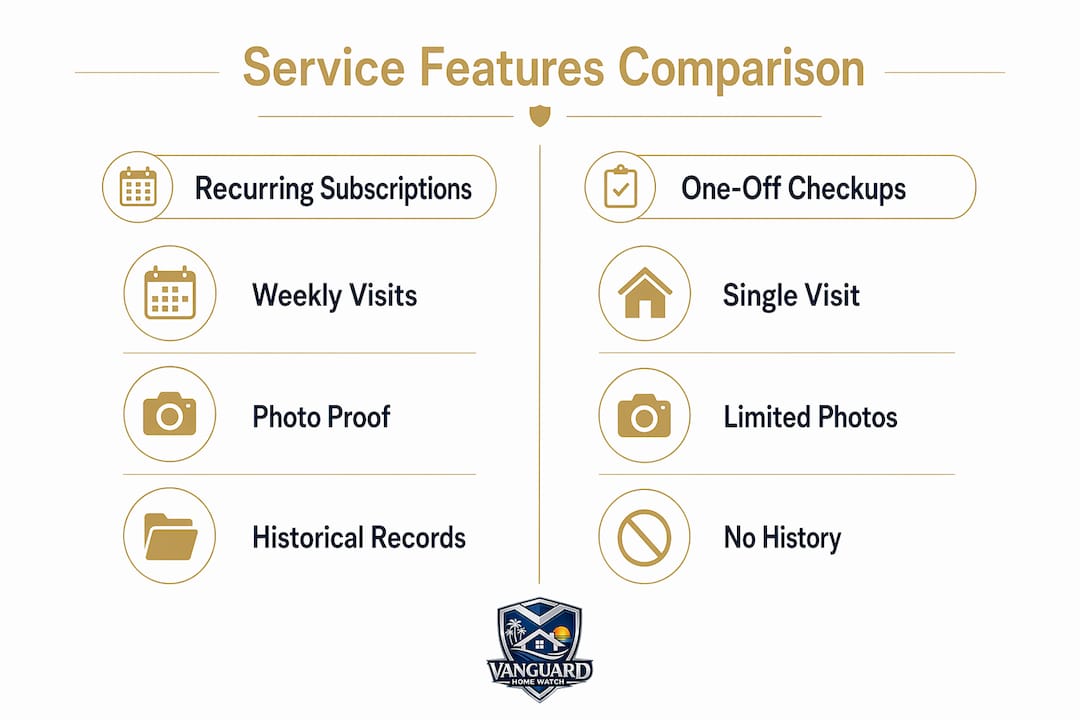
Recurring subscriptions vs. one-off checkups
One-off property checkups cost between $55 and $95 per visit but do not build the historical record that insurance policies and property management require. Recurring subscriptions create a continuous documentation trail. That trail is what insurers reference when evaluating a claim on a vacant home.
| Service type | Visit frequency | Photo documentation | Insurance compliance | Historical record |
|---|---|---|---|---|
| One-off checkup | On demand | Basic | Often insufficient | None |
| Recurring subscription | Weekly or bi-weekly | Detailed with timestamps | Meets standard requirements | Yes, ongoing |
| Professional home watch | Weekly or bi-weekly | Comprehensive, system-level | Full compliance | Yes, with professional notes |
Inspections every 7–14 days meet mid-2026 industry standards for vacant home coverage. Anything less frequent creates gaps that insurers may use to deny claims.
Questions to ask any provider before signing
- Do reports include timestamped photos of every major system?
- How quickly will you notify me if something urgent is found?
- Are you insured, bonded, and accredited by the National Home Watch Association (NHWA)?
- Do you provide reports in a format I can share with my insurance company?
- Can I access past reports at any time through a client portal or app?
Pro Tip: Accreditation from the National Home Watch Association (NHWA) is the clearest signal that a provider follows industry standards for documentation, training, and professionalism. Always ask for proof before hiring.
Automated-only platforms, such as entry-level field apps without professional oversight, miss what a trained professional catches in person. Mold smell, an HVAC sound that has changed, or a door that no longer latches correctly are not things a camera angle captures reliably.
How to use digital inspection reports for remote home monitoring
Receiving a report is only the first step. Knowing how to read and act on it is what protects your property.
The inspection-to-resolution workflow
- Schedule recurring visits. Confirm your provider visits on a fixed weekly or bi-weekly schedule. Consistency is what creates a reliable baseline for your property’s condition.
- Receive the report digitally. Reports should arrive by email, app notification, or a secure client portal within hours of the visit. Same-day delivery is the standard for professional services.
- Review photos by system. Start with any items flagged as “needs attention” or “urgent.” Then scan the photo log for each system: HVAC, plumbing, roof, windows, and entry points.
- Check humidity and temperature readings. Compare current readings to the previous report. A spike in humidity or a drop in temperature can signal HVAC failure before visible damage appears.
- Respond to urgent notifications immediately. Reliable home watch reports include direct communication for urgent issues. If your provider flags an active leak, contact a licensed plumber the same day, not the following week.
- Coordinate repairs through your provider. Many professional home watch services can meet contractors at your property, supervise the work, and document the repair with follow-up photos.
- Archive every report. Store reports in a dedicated folder, organized by date. This archive supports insurance claims, documents maintenance history, and adds credibility if you sell the property.
Pro Tip: Set up a dedicated email folder for your inspection reports and label each one by date. When your insurer asks for proof of regular inspections, you can produce a complete record in minutes.
The workflow above turns a passive document into an active property management tool. Each report connects to the next, building a picture of your home’s condition over time.
What to do when a report flags a problem
Act on urgent findings within 24 hours. Contact your home watch provider first, since they can often recommend vetted local contractors. Confirm the repair is completed and request a follow-up photo report. Update your insurance carrier if the damage is significant. This response chain is exactly what insurers expect to see when reviewing a claim on a vacant property.
Common mistakes to avoid with digital inspection reports
The most common mistake absentee homeowners make is treating a digital report as a guarantee that nothing is wrong. A report documents what was visible and accessible at the time of the visit. It is not a warranty.
- Relying on automated tools alone. Automated home watch apps must be combined with professional judgment to detect subtle issues like mold smell or changes in HVAC sound. Pure automation misses these signals consistently.
- Ignoring “needs attention” flags. Items flagged as non-urgent still require a response. A small stain near a window seal can become a mold problem within one rainy season in Florida.
- Delaying action on urgent notifications. Remote property management without professionals risks missing slow-developing damage. When a professional flags something urgent, the clock starts immediately.
- Skipping report reviews. Receiving a report and not reading it defeats the purpose. Block 10 minutes after each report arrives to review photos and notes.
- Failing to maintain a complete archive. Reports support insurance claims and can affect resale value. A documented maintenance history is a tangible asset when selling a property.
- Not verifying report completeness. Every report should cover all major systems. If a report arrives without photos of the HVAC unit or water heater, contact your provider and request a follow-up.
“Professional inspection reports deter theft and unauthorized entry, provide early detection of slow-developing damage, and create the documented record that vacant home insurance policies require. No automated system replaces the professional who walks through your front door.”
Pro Tip: Review your vacant home insurance policy annually and confirm that your inspection frequency and documentation format meet the policy’s specific requirements. Policies vary, and a gap in compliance can void coverage.
Key takeaways
A digital inspection report for home watch is the primary tool absentee homeowners use to protect vacant properties, satisfy insurance requirements, and catch damage before it becomes expensive.
| Point | Details |
|---|---|
| Report frequency matters | Industry standards require inspections every 7–14 days to meet vacant home insurance requirements. |
| Photo documentation is non-negotiable | Every report must include timestamped photos of all major systems to serve as a valid insurance record. |
| Professional judgment beats automation | Trained inspectors detect mold, HVAC changes, and security issues that automated tools consistently miss. |
| Act on urgent findings within 24 hours | Delayed responses to flagged issues can void insurance coverage and allow minor damage to escalate. |
| Archive every report | A complete inspection history supports insurance claims and adds documented value when selling the property. |
What I’ve learned after years of walking through vacant homes
The technology behind digital inspection reports has improved significantly. Reports that once consisted of a few blurry photos and a handwritten note now arrive as structured, system-by-system documents with GPS-tagged photos and same-day delivery. That progress is real and worth acknowledging.
What has not changed is the gap between what a camera captures and what a trained professional notices. I have walked into homes where the report from an automated system showed everything as normal, but the moment I stepped inside, I could smell moisture behind a wall. That smell does not show up in a photo. Neither does the slight give in a floor that tells you water has been sitting under the tile for weeks.
Inspection reports are evolving into interactive homeowner hubs that track system lifespans, maintenance history, and replacement cost estimates. That is a genuinely useful development. But the homeowners I work with who get the most value from their reports are the ones who treat them as a conversation starter, not a final answer. They call me after reading a report. They ask questions. They want to understand what “needs attention” actually means for their specific home.
My honest advice: choose a provider who signs their name to every report and picks up the phone when you call. Technology is a tool. Accountability is the service.
— Joseph
Vanguard Home Watch LLC: digital reports built for absentee owners
Vanguard Home Watch LLC provides weekly visual inspections of vacant and seasonal homes across Naples, North Naples, and Ave Maria, Florida. After every visit, clients receive a detailed digital report with timestamped photos covering HVAC, plumbing, humidity, pest activity, storm damage, and security. Urgent findings trigger immediate notification so you can act the same day, from anywhere.
We are fully insured, bonded, background checked, and accredited by the National Home Watch Association (NHWA). Joseph and Elizabeth Vangelakos personally oversee every client relationship. If you are looking for Naples home watch inspections backed by professional accountability and thorough documentation, Vanguard Home Watch LLC is ready to protect your property while you are away. Contact us to schedule your first visit.
FAQ
What is a digital inspection report in home watch?
A digital inspection report in home watch is a timestamped, photo-supported document delivered after each property visit, recording the condition of all major home systems for absentee owners. Reports include HVAC, plumbing, security, and humidity observations with immediate alerts for urgent findings.
How often should a home watch inspection be performed?
Industry standards as of 2026 require inspections every 7–14 days to meet most vacant home insurance policy requirements. Less frequent visits create documentation gaps that insurers may use to deny claims.
Can I use a home inspection app instead of a professional service?
Entry-level home inspection apps can supplement professional visits but cannot replace them. Automated tools miss physical cues like mold odor, subtle HVAC sounds, and structural changes that a trained professional detects on-site.
Do digital inspection reports satisfy insurance requirements for vacant homes?
Most vacant home policies require documented, regular inspections with photo evidence and timestamped visit records. A professional home watch service that delivers structured digital reports meets these requirements; informal checkups often do not.
How do I use inspection reports to coordinate repairs remotely?
Review the flagged items in each report, contact your home watch provider for contractor recommendations, and request a follow-up photo report after the repair is complete. This documented repair chain is exactly what insurers expect when reviewing claims on vacant properties.
