Preventive home maintenance is defined as the practice of routinely inspecting and servicing your home’s systems and structures before problems develop into costly repairs. Homeowners who follow a consistent schedule protect their property value, reduce emergency repair bills, and extend the life of major systems like HVAC, roofing, and plumbing. Industry guidance recommends budgeting 1%–2% of your home’s value annually for upkeep, which equals $4,000–$8,000 per year on a $400,000 home. That figure sounds significant until you compare it to the cost of a single major failure. Vanguard Home Watch LLC works with seasonal and absentee homeowners in Naples, Florida, who rely on professional inspections to catch exactly these early warning signs.
What is preventive home maintenance and what does it cover?
Preventive home maintenance is a proactive system, not a one-time event. It covers every major system in your home through scheduled inspections, routine servicing, and timely repairs before wear becomes failure. The industry term used by facility managers and property professionals is “planned preventive maintenance,” or PPM. Both terms describe the same discipline: act before the problem, not after.
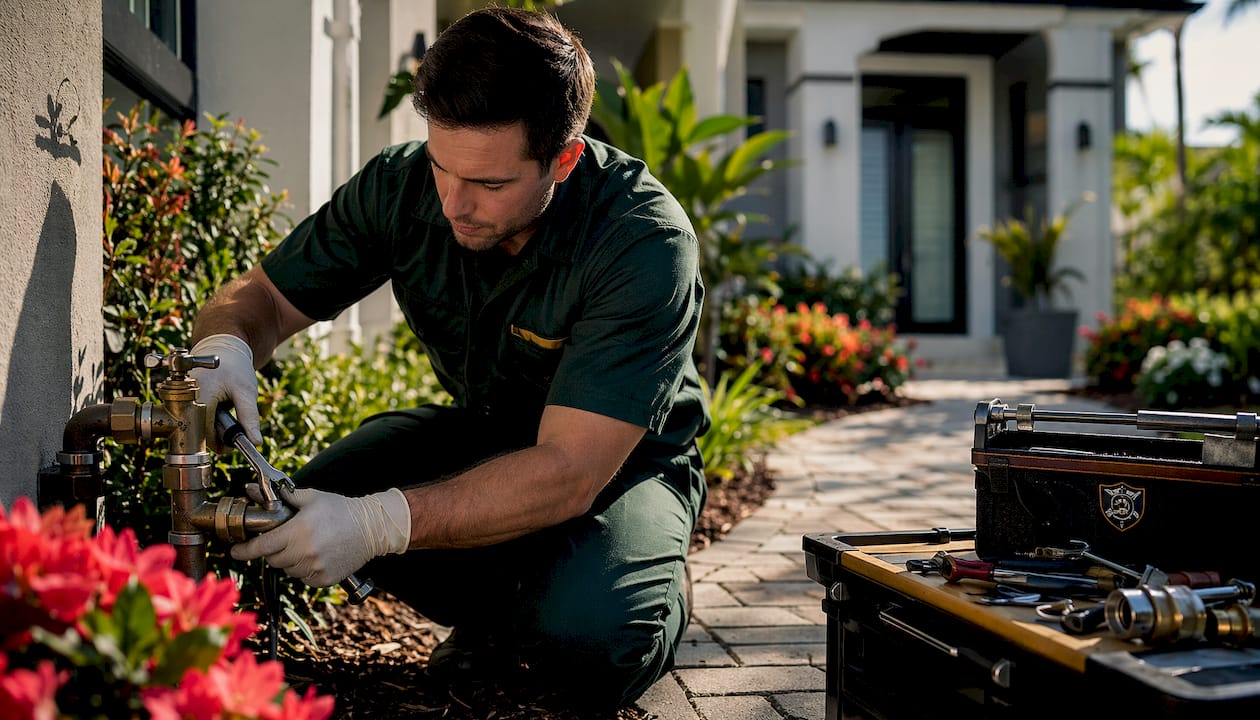
The six core systems covered by any solid maintenance program are roofing, plumbing, HVAC, electrical, exterior structures, and interior finishes. Each system has its own failure timeline and warning signs. A roof, for example, can show granule loss or flashing gaps months before a leak appears inside the home.
Common preventive tasks span a wide range of complexity. Filter changes, smoke detector tests, and visual leak checks fall firmly in the DIY category. Professional diagnostics require trained technicians because most major system failures follow a progressive wear pattern that is nearly invisible to untrained eyes. Thermal imaging, refrigerant pressure checks, and electrical load testing are examples of work that requires specialized equipment.
Understanding which tasks you can handle yourself and which require a professional is the first real decision in building a maintenance plan. Getting that split right saves both time and money.
What tasks should be on your home maintenance checklist?
A practical home maintenance checklist organizes tasks by frequency so nothing falls through the cracks. Here is a breakdown by category:
Monthly tasks:
- Check HVAC filters and replace if dirty
- Test smoke and carbon monoxide detectors
- Inspect under sinks for moisture or slow leaks
- Run water in unused fixtures to prevent drain buildup
- Check water pressure and look for dripping faucets
Twice-annual tasks (spring and fall):
- Clean gutters and downspouts
- Inspect caulking around windows, doors, and tubs
- Test GFCI outlets in bathrooms and kitchens
- Check exterior paint and siding for cracks or peeling
- Inspect roof from the ground for missing shingles or debris
Annual tasks:
- Flush the water heater to remove sediment
- Have the HVAC system professionally serviced
- Inspect the attic for moisture, pests, or insulation gaps
- Check the foundation and grading around the home
- Test garage door auto-reverse and lubricate tracks
Pro Tip: Prioritize systems that cause cascading damage first. A failing roof or blocked gutter does not just damage itself. It damages ceilings, walls, insulation, and foundations. Fix the source before addressing the symptoms.
DIY-feasible tasks like filter changes and gutter cleaning are well within reach for most homeowners. Anything involving electrical panels, gas lines, or refrigerant requires a licensed contractor.
How often should homeowners perform preventive maintenance?
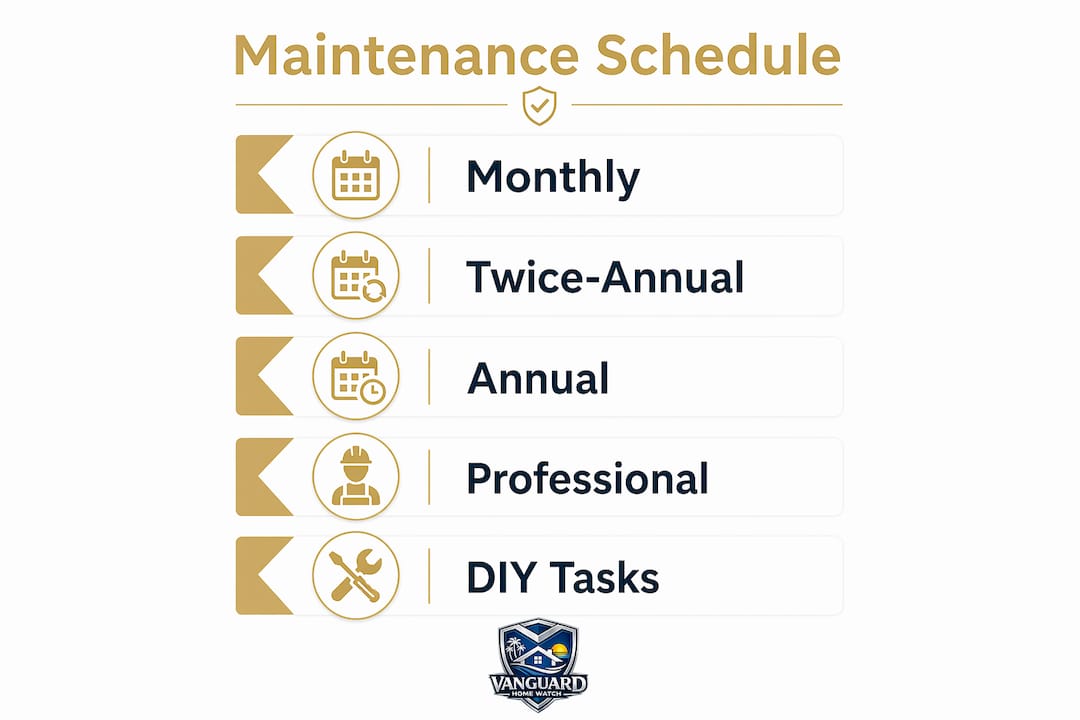
Preventive maintenance frequency follows three tiers: monthly, twice-annual, and annual. Each tier exists because different systems wear at different rates. An HVAC filter collects dust daily. A water heater builds sediment over months. A roof weathers gradually over years.
| Task | Frequency | Notes |
|---|---|---|
| HVAC filter replacement | Monthly or every 90 days | More frequent in dusty or pet-occupied homes |
| Smoke detector test | Monthly | Replace batteries annually |
| Gutter cleaning | Twice per year | After fall leaf drop and before rainy season |
| Window and door caulking | Twice per year | Check after temperature extremes |
| Water heater flush | Annually | Removes sediment, extends tank life |
| Roof inspection | Annually | Professional inspection recommended |
| HVAC full service | Annually | Before cooling or heating season |
| Foundation and grading check | Annually | Critical in areas with heavy rainfall |
Climate and home age both affect this schedule. A Naples, Florida home faces year-round humidity, intense UV exposure, and hurricane season, all of which accelerate wear on roofing, exterior paint, and HVAC systems. Older homes often need more frequent electrical and plumbing checks because aging materials fail faster.
Pro Tip: Set calendar reminders for every task the day you move in or start your maintenance program. A shared digital calendar works well for couples or families managing a property together. Treat missed tasks the same way you treat a missed bill payment. The cost of skipping compounds.
Changing HVAC filters monthly or every 90 days reduces energy costs and extends the system’s working life. That single task is one of the highest-return actions on any maintenance list.
What are the financial benefits of preventive home maintenance?
The financial case for preventive maintenance is direct: every $1 spent on prevention can save approximately $5 in emergency repairs. That ratio exists because small problems, left unaddressed, trigger cascading damage across multiple systems.
Consider a blocked gutter. The fix costs under $200 in professional cleaning. Left unaddressed, water backs up under roofing material, saturates fascia boards, seeps into wall cavities, and eventually damages the foundation. Foundation repairs can exceed $100,000, and the entire chain of damage started with a clogged downspout.
The economic benefits of consistent preventive upkeep include:
- Lower emergency repair bills. Planned repairs cost less than emergency callouts, which carry premium labor rates.
- Extended system lifespan. A serviced HVAC unit lasts significantly longer than a neglected one.
- Preserved resale value. Buyers and their inspectors notice deferred maintenance. A well-documented maintenance history supports your asking price.
- Reduced insurance risk. Some insurers reduce premiums or avoid claim disputes when maintenance records show consistent upkeep.
- Fewer comfort disruptions. A home that functions reliably is simply more comfortable to live in.
Homeowners often underestimate future repair costs and delay routine maintenance, which increases both risk and expense over time. The math always favors prevention.
How to build a preventive maintenance schedule that actually works
A maintenance schedule only works if it is specific enough to execute. Vague checklists fail because they leave too much room for interpretation. “Check HVAC” is not a task. “Replace 1-inch filter in air handler, note filter condition, reset thermostat schedule” is a task.
Here is a practical framework for building a schedule you will actually follow:
- Audit your home’s systems. Walk every room and note the age, condition, and last service date of each major system. This becomes your baseline.
- Assign tasks to frequency tiers. Use the monthly, twice-annual, and annual structure. Place each task in the right tier based on manufacturer guidance or contractor advice.
- Write task descriptions at the technician level. Describe exactly what to check, what tools are needed, and what a passing result looks like. This removes ambiguity.
- Schedule professional diagnostic inspections. Early failure signatures are nearly invisible to homeowners but detectable by trained technicians. Build at least one professional walkthrough into your annual plan.
- Track completion and outcomes. Use a simple spreadsheet, a home management app, or a notebook. Record what was done, what was found, and what follow-up is needed.
- Build professional relationships before you need them. A trusted HVAC technician, plumber, and roofer on speed dial means faster response when something does need repair.
Missed preventive maintenance leads to repeat failures, escalating costs, and comfort complaints. Treating your schedule as a control metric, not just a to-do list, is what separates homeowners who stay ahead of repairs from those who are always reacting to them. For seasonal residents, a service frequency comparison can help you decide how often professional eyes should be on your property when you are away.
Key Takeaways
Preventive home maintenance requires a tiered schedule, specific task descriptions, and at least one annual professional inspection to protect your home’s value and avoid costly emergency repairs.
| Point | Details |
|---|---|
| Budget 1%–2% annually | Set aside $4,000–$8,000 per year on a $400,000 home for planned upkeep. |
| Follow a three-tier schedule | Organize tasks as monthly, twice-annual, and annual to match each system’s wear rate. |
| Prevention saves 5x the cost | Every $1 spent on preventive care saves approximately $5 in emergency repair costs. |
| Professional inspections catch what you miss | Trained technicians detect early failure signs that are invisible to homeowners. |
| Specificity drives compliance | Detailed, step-by-step task descriptions reduce missed maintenance and repeat failures. |
Why the maintenance mindset is the most underrated part of homeownership
I have spent years working alongside homeowners in Naples, and the pattern I see most often is not ignorance. It is delay. Homeowners know they should clean the gutters, service the HVAC, and check the roof after a storm. They just keep pushing it to next month.
The problem with delay is that home systems do not wait. HVAC compressors, roof flashings, and water heaters follow a predictable wear curve. By the time a failure is obvious, the damage has usually been building for months. What looked like a $300 fix in march becomes a $4,000 repair by july.
The homeowners I see handle this best treat their maintenance schedule the way they treat their finances. They set it up once, automate what they can, and review it regularly. They also know which tasks require a professional and do not try to DIY their way through electrical panels or refrigerant lines.
One thing I tell every seasonal homeowner: your home does not stop aging when you leave for the summer. Florida’s heat, humidity, and storm season work on your property every single day you are gone. A weekly inspection program is not a luxury for vacant homes in this climate. It is the difference between catching a slow leak in week one and returning to a mold-damaged interior in week twelve.
The maintenance mindset is simple. Small, consistent actions protect large investments. The homeowners who embrace that idea spend less, stress less, and sell for more.
— Joseph
How Vanguard Home Watch LLC supports your preventive maintenance plan
Preventive maintenance works best when someone is watching your home consistently, especially when you are not there.
Vanguard Home Watch LLC provides weekly visual inspections of vacant and seasonal homes in Naples, North Naples, and Ave Maria, Florida. Every visit covers water leaks, HVAC performance, humidity levels, mold indicators, pest activity, storm damage, and security concerns. After each inspection, you receive a detailed digital report with photos so you always know your home’s condition. We are fully insured, bonded, background checked, and accredited by the National Home Watch Association (NHWA). If you want to understand exactly what a home watch inspector checks on every visit, that page walks you through the full process.
FAQ
What is preventive home maintenance?
Preventive home maintenance is the practice of routinely inspecting and servicing your home’s systems before problems develop. The goal is to catch small issues early and avoid expensive emergency repairs.
How much should I budget for home maintenance each year?
Homeowners should budget 1%–2% of their home’s value annually. For a $400,000 home, that equals $4,000–$8,000 per year, with higher amounts recommended for older homes or harsh climates.
Which home maintenance tasks can I do myself?
DIY-friendly tasks include HVAC filter changes, gutter cleaning, smoke detector testing, and visual leak checks. Electrical diagnostics, refrigerant servicing, and structural inspections require licensed professionals.
How does preventive maintenance save money?
Every $1 spent on preventive maintenance saves approximately $5 in emergency repairs by stopping small problems before they trigger cascading damage across multiple home systems.
How often should I have a professional inspect my home?
At minimum, schedule one professional inspection annually for HVAC, roofing, and plumbing systems. Seasonal and vacant homes benefit from more frequent professional walkthroughs, especially in high-humidity or storm-prone climates.
