Storm prep for a seasonal home in Naples is the process of systematically protecting your property through maintenance, physical hardening, supply staging, and professional oversight before hurricane season arrives. Collier County’s 2026 guidelines require residents to plan for at least seven days of self-sufficiency after a major storm. For seasonal homeowners who are away during the summer months, the stakes are even higher. Your property sits vacant while conditions intensify, and no one is there to catch a leak, a failed HVAC unit, or a breached window. Vanguard Home Watch LLC works with Naples homeowners every season to close exactly these gaps before they become costly claims.
What are the essential maintenance tasks before storm season?
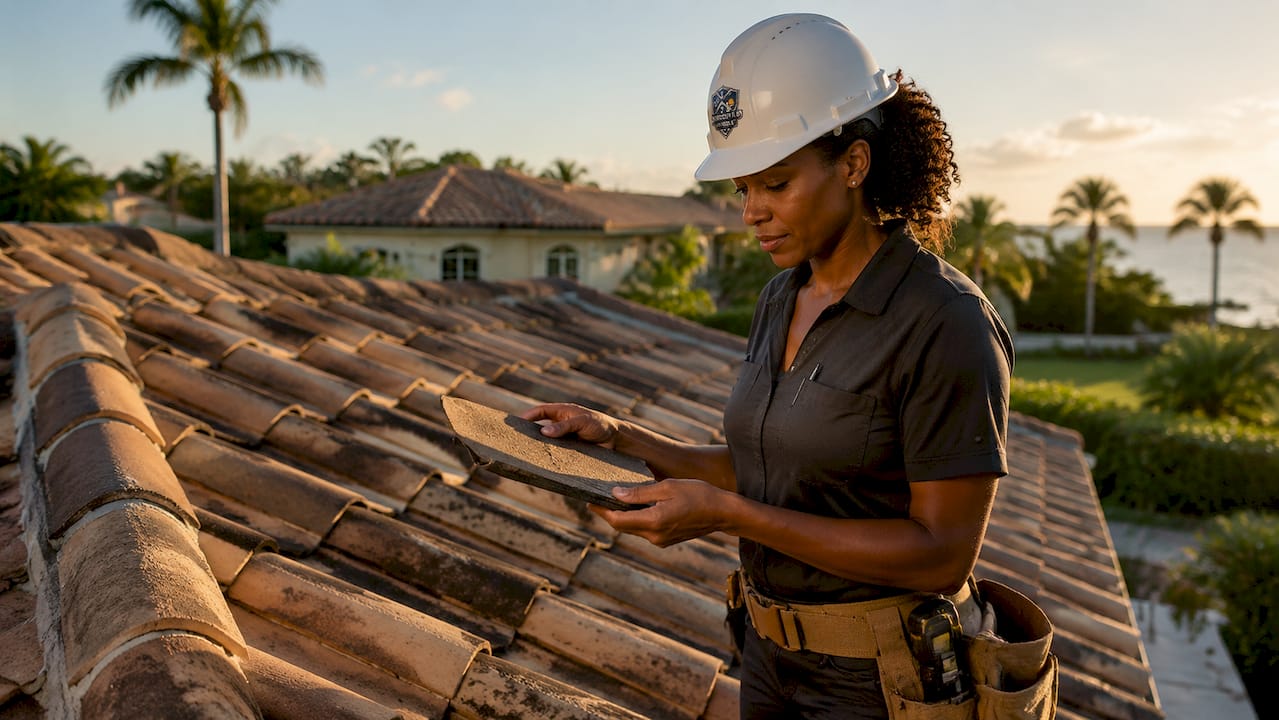
Seasonal home maintenance in Naples starts with the roof. Loose shingles and aging seals become critical failure points under intense storm conditions. A licensed roofer should walk your roof before june, not after a named storm is already in the Gulf. Small repairs cost a fraction of what interior water damage runs after a Category 2 event.
HVAC service is the second priority, and it is one most homeowners skip. The number one cause of interior water damage in vacant Naples homes is a clogged HVAC condensate drain line. A float switch installed on that drain line shuts the system down automatically if drainage fails. Without one, a blocked line can silently flood a ceiling over days or weeks while you are in Ohio.
The exterior of your home also needs attention before you leave for the season.
- Seal cracks around windows, doors, and the foundation using weatherproof caulk rated for Florida’s heat cycles.
- Reinforce the garage door with a hurricane brace kit. Garage doors are the largest and most vulnerable opening on most homes.
- Trim trees and remove dead limbs within striking distance of the structure. Wind-driven branches cause more roof punctures than most homeowners expect.
- Service the plumbing. Shut off the main water supply and drain lines where possible to prevent leaks from going undetected.
- Check the water heater and washing machine hoses for cracks or bulges before you leave.
Pro Tip: Naples summers routinely hit 90 degrees with humidity above 65%. Indoor humidity at that level causes mold to proliferate within weeks in a closed, vacant home. Set your thermostat to 78–80°F and leave the HVAC running. This is called “summerizing” your home, and it is not optional in Southwest Florida.
How do you secure a Naples home against hurricane winds and flooding?
Physical storm protection is the layer that stands between your home and a direct hit. The sequence matters as much as the individual steps.
- Install storm shutters or impact glass. Storm shutters and impact glass significantly improve resistance to hurricane-force winds. If you have neither, pre-cut plywood panels stored in the garage are a workable backup, but they require someone on site to install them.
- Bring in or secure all outdoor items. Patio furniture, planters, umbrellas, and decorative items become projectiles at 100 mph. Store them inside or use heavy-duty tie-down straps rated for wind loads.
- Clear gutters and downspouts. Blocked gutters force water under the roofline and into the soffit. Clean them in april or may, before the rainy season begins.
- Check drainage grading. The ground around your foundation should slope away from the structure. Flat or inward-sloping soil channels storm surge and heavy rain directly toward your slab.
- Seal foundation cracks. Use hydraulic cement or epoxy injection for any visible cracks. Water intrusion through the foundation is slow, invisible, and expensive.
Flood insurance timing is a detail that catches many seasonal homeowners off guard. Flood insurance carries a mandatory 30-day waiting period before coverage activates. If you purchase a policy in june after a storm is named, you have no coverage for that event. Secure or review your flood policy no later than april 30 each year.
| Protection type | Best for | Key limitation |
|---|---|---|
| Storm shutters (accordion or panel) | Permanent residents and seasonal owners | Requires installation before departure |
| Impact-rated windows and doors | Long-term investment, highest protection | Higher upfront cost |
| Pre-cut plywood | Budget option | Requires someone on site to install |
| Hurricane straps (roof to wall) | Structural reinforcement | Requires licensed contractor |
What supplies should seasonal homeowners have for 7-day self-sufficiency?
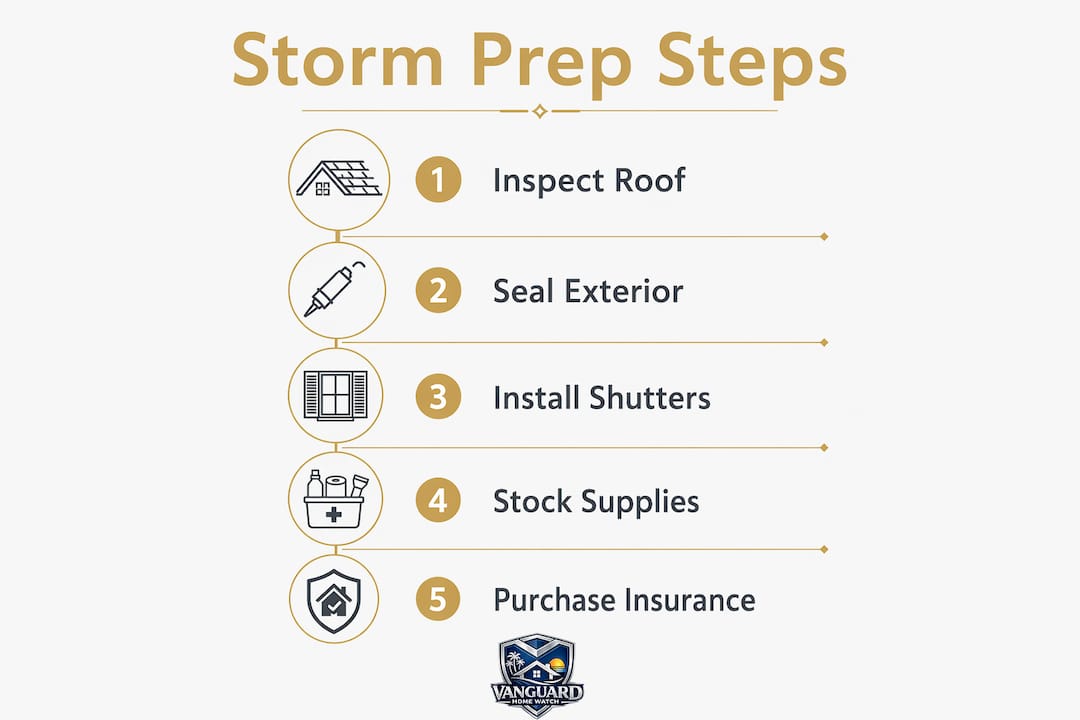
Collier County requires residents to be prepared to be self-sufficient for at least seven days after a hurricane. That standard applies whether you are in residence or returning after a storm. Seasonal homeowners who plan to come back quickly after a named storm need supplies staged and ready.
The water requirement is specific: a minimum of one gallon per person per day for seven days. A family of two needs at least 14 gallons stored in sealed, food-grade containers. Do not rely on tap water after a major storm. Municipal systems in Collier County can be compromised for days.
- Water: 1 gallon per person per day, 7-day minimum
- Non-perishable food: Canned goods, protein bars, and shelf-stable meals for 7 days
- First-aid kit: Bandages, antiseptic, prescription medications (30-day supply), and a thermometer
- Communication: Battery-powered or hand-crank NOAA weather radio, fully charged power banks, and a written list of emergency contacts
- Lighting: Flashlights, lanterns, and extra batteries. Candles are a fire risk in storm conditions.
- Pet supplies: Collier County emergency management specifically includes pet food, water, medications, and carriers in its 7-day kit guidance. Pet-friendly shelters have limited capacity, so plan for self-sufficiency with your animals.
- Documents: Copies of your insurance policies, property deed, and identification stored in a waterproof bag
Evacuation planning is not optional for seasonal homeowners in Collier County flood zones. Identify your evacuation zone on the Collier County Emergency Management map before the season starts. Know your route north and have a confirmed destination, whether a hotel, family member’s home, or a pre-booked rental, before a storm watch is issued. Waiting until an evacuation order is announced means gridlock on I-75.
How do you coordinate home watch and insurance coverage during vacancy?
Insurance coverage for vacant homes is a category where seasonal homeowners regularly get surprised. Many insurance policies enforce unoccupancy provisions after 30 days of vacancy. These provisions can void or reduce a claim if the insurer determines the home was not being monitored. A neighbor checking in verbally is often insufficient to satisfy a claim investigation.
The documentation standard matters. Insurers want written records: dated inspection reports, photos, and a log of who visited and what they found. This is exactly what a professional home watch service provides. Vanguard Home Watch LLC delivers detailed digital reports with photos after every weekly visit, creating a timestamped record that satisfies most policy requirements.
Before leaving for the season, complete these insurance-related steps:
- Read your unoccupancy clause. Know exactly how many days trigger the provision and what documentation your policy requires.
- Notify your insurer. Some policies require written notice when a home will be vacant for more than 30 days.
- Shut off the main water supply and document it. A photo with a timestamp is simple evidence that reduces leak-related claim disputes.
- Review your flood and wind coverage. Confirm deductibles, coverage limits, and exclusions before june 1.
- Hire a licensed, insured home watch provider. Accreditation through the National Home Watch Association (NHWA) is the industry standard for professional credibility.
Pro Tip: Ask your insurance agent specifically whether your policy requires documented inspections during vacancy. Get the answer in writing. If your policy requires inspections and you cannot produce records, a denied claim on a vacant home is a real outcome, not a remote possibility. A professional home watch service solves this problem completely.
Key Takeaways
Effective storm prep for a seasonal home in Naples requires completing maintenance, physical hardening, supply staging, and documented home watch coverage before june 1 each year.
| Point | Details |
|---|---|
| Start with the roof and HVAC | Inspect the roof and install a condensate float switch before leaving for the season. |
| Secure the structure physically | Install storm shutters, reinforce the garage door, and seal all exterior cracks. |
| Stage 7-day supplies | Store at least 1 gallon of water per person per day and a full emergency kit on site. |
| Buy flood insurance early | Flood policies carry a 30-day waiting period, so purchase or review coverage by april 30. |
| Document every inspection | Written, photo-backed reports satisfy insurance unoccupancy provisions and protect your claim. |
What I’ve learned from years of watching Naples homes through storm season
After working with seasonal homeowners across Naples, North Naples, and Ave Maria, the pattern I see most often is not neglect. It is timing. Homeowners do the right things, just too late. They schedule the roofer in may when every contractor in Collier County is already booked. They check on flood insurance in june after a tropical system is already forming. They realize the condensate drain was clogged only when a neighbor calls about water stains on the ceiling.
The homes that come through storm season in the best shape are the ones where the owners treated preparation as a february and march project, not a june scramble. That window gives you time to get a contractor, fix what needs fixing, and still have weeks of buffer before the atlantic season officially opens on june 1.
The other thing I have seen consistently is how much the documentation piece matters. Homeowners assume their insurance will cover them. What they do not realize is that a vacant home with no inspection record is a liability, not just a risk. Insurers ask hard questions after a loss, and “my neighbor kept an eye on it” does not hold up. A weekly home watch inspection report with photos and timestamps is the difference between a paid claim and a disputed one.
Prepare early. Document everything. And do not leave your Naples property without a professional set of eyes checking it every week.
— Joseph
Protecting your Naples home with Vanguard Home Watch LLC
Seasonal homeowners in Naples face a specific challenge: their property is most at risk during the exact months they are not there to protect it.
Vanguard Home Watch LLC provides weekly visual inspections of vacant and seasonal homes throughout Naples, North Naples, and Ave Maria. Every visit produces a detailed digital report with photos, creating the documented record your insurance policy requires. Founded by retired law enforcement lieutenant Joseph Vangelakos and real estate professional Elizabeth Vangelakos, we are fully insured, bonded, background checked, and accredited by the National Home Watch Association (NHWA). Review our service frequency options to find the right coverage level for your property, or visit our Naples home watch services page to learn more about what we do.
FAQ
What does storm prep for a seasonal home in Naples include?
Storm prep for a seasonal Naples home covers roof and HVAC inspection, exterior sealing, storm shutter installation, outdoor furniture storage, flood insurance review, and staging a 7-day emergency supply kit. Coordinating professional home watch coverage before you leave is also a critical part of the process.
How early should I buy flood insurance before hurricane season?
Flood insurance carries a mandatory 30-day waiting period before coverage activates. Purchase or renew your flood policy no later than april 30 to have active coverage when the atlantic hurricane season opens on june 1.
What is the 7-day self-sufficiency requirement in Collier County?
Collier County requires residents to be prepared to sustain themselves for at least seven days after a hurricane, including a minimum of 1 gallon of water per person per day, non-perishable food, first-aid supplies, and pet necessities.
Can a vacant home lose insurance coverage during storm season?
Yes. Many policies include unoccupancy provisions that activate after 30 days of vacancy. Without documented inspections, a claim on a vacant home can be reduced or denied. A licensed home watch provider creates the written, photo-backed records most insurers require.
What is “summerizing” a Naples home?
Summerizing is the practice of preparing a vacant Florida home to withstand summer heat and humidity. It includes setting the HVAC to maintain indoor temperatures around 78–80°F, clearing the condensate drain line, installing a float switch, and sealing the home against moisture intrusion to prevent mold from forming during the vacancy period.

