A vacant home inspection checklist is the structured tool Florida absentee homeowners use to systematically verify property condition, security, and system function during extended absences. In the home watch industry, this process is formally called a home watch inspection, and it differs significantly from a one-time real estate inspection. Florida’s heat, humidity, and hurricane season create risks that compound quickly in an unoccupied property. This vacant home inspection checklist for Florida covers every critical area, from moisture control and HVAC function to pest prevention and insurance documentation, so your property stays protected whether you are gone for six weeks or six months.
1. What a vacant home inspection checklist for Florida should cover
A thorough checklist for vacant houses in Florida addresses five core categories: interior condition, exterior condition, mechanical systems, security, and pest and health hazards. Missing any one of these categories leaves a gap that Florida’s climate will exploit.
Interior inspection items:
- Check all ceilings, walls, and floors for water stains, soft spots, or discoloration
- Inspect under sinks, around toilets, and near the water heater for active drips or moisture
- Look for visible mold growth, musty odors, or condensation on windows
- Test all plumbing fixtures to confirm drainage and water pressure
- Check that appliances left running (refrigerator, ice maker) are functioning without leaks
Exterior inspection items:
- Inspect the roof surface, flashing, and fascia for missing materials or damage
- Clear gutters and downspouts of debris to prevent water backup
- Check all windows and doors for broken seals, gaps, or signs of forced entry
- Walk the perimeter for foundation cracks, standing water, or drainage issues
- Verify that outdoor lighting is functional and that no mail or packages have accumulated
System checks:
- Confirm the HVAC is running and set correctly for the season
- Test smoke detectors and carbon monoxide detectors. Monthly detector testing is the standard for vacant homes to maintain safety compliance
- Check the electrical panel for tripped breakers or signs of overheating
- Verify that the water shutoff valve is accessible and functional
Security measures:
- Confirm all entry point locks are secure and deadbolts are engaged
- Check that alarm systems are armed and communicating with the monitoring center
- Verify that security cameras are recording and have power
- Stop mail delivery or arrange for a trusted party to collect it regularly
Pro Tip: Install a Wi-Fi enabled leak detector near the water heater and under kitchen and bathroom sinks before you leave. These devices send real-time alerts to your phone and can prevent thousands of dollars in damage between scheduled inspections.
2. How often should vacant Florida homes be inspected?
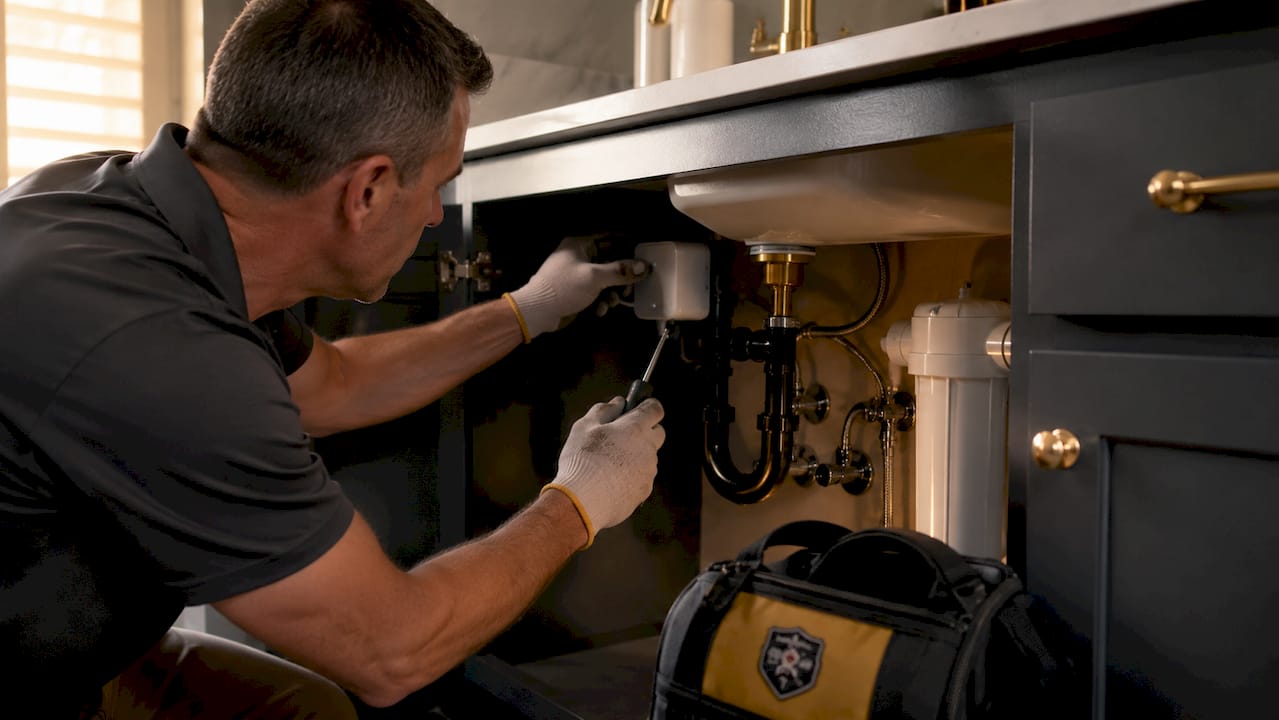
Inspection frequency is not optional. Insurance policies often suspend coverage for vandalism, water damage, and malicious mischief if a home sits vacant for more than 30–60 consecutive days without documented inspections. That suspension can leave you fully exposed to a six-figure loss.
Most Florida insurers require documented walkthroughs on a 7 to 14-day cycle. Weekly physical inspections are often the minimum standard to keep coverage active and prevent claim denial. This is not a casual arrangement. A neighbor stopping by once a month does not satisfy this requirement.
Professional home watch inspections differ from casual neighbor checks in a fundamental way. They are rigorous, checklist-based, and include timestamped photo documentation that insurers accept as proof of due diligence. A neighbor’s verbal report carries no weight with an insurance adjuster.
It is also worth distinguishing between two types of inspections. A 4-point inspection focuses on roof, electrical, plumbing, and HVAC systems and is often required by insurers for older Florida homes as a one-time assessment. Recurring home watch inspections are ongoing and cover the full property condition across every visit. Both serve different purposes and neither replaces the other.
Pro Tip: Ask your insurance carrier in writing what inspection frequency and documentation format they require. Keep that letter with your inspection logs. If a claim arises, that paper trail is your first line of defense.
3. What documentation should accompany each inspection?
Documentation is the difference between a valid insurance claim and a denied one. Every inspection visit should produce a written log, timestamped photos of key areas, and a record of any issues found and actions taken.
- Written inspection report. Record the date, time, inspector name, and a condition note for every checklist item. Vague entries like “looks fine” are not sufficient. Write specific observations: “No visible moisture under kitchen sink. Refrigerator running, no ice maker leak detected.”
- Timestamped photographs. Photograph every room, all mechanical systems, the exterior perimeter, and any area showing a change from the previous visit. Photos are your proof of condition at a specific point in time.
- Utility readings. Log the electric meter reading and water meter reading at each visit. An unexpected spike in water usage between visits is an early signal of a hidden leak.
- Issue and action log. When a problem is found, document it immediately with photos, note the severity, and record what action was taken or who was contacted for remediation.
- Mail and delivery management. Note whether mail was collected, packages were removed, or the property showed any signs of unauthorized access. Accumulated mail signals vacancy to opportunistic thieves.
Pro Tip: Use a property management app or a shared cloud folder to store inspection reports and photos in real time. When your insurer or a contractor needs documentation, you can share it instantly from anywhere.
4. Preventative maintenance tasks for vacant Florida properties
Preventative maintenance is what separates a property that holds its value from one that deteriorates silently. Florida’s climate accelerates every form of damage, so these tasks belong on every checklist for vacant houses in the state.
Moisture and HVAC control:
- Set the thermostat to 80°F in summer and 55–60°F in winter. Proper HVAC settings combined with open interior doors and cabinet doors reduce mold risk and prevent pipe stress
- Replace HVAC filters on schedule. A clogged filter forces the system to work harder and can cause it to fail entirely
- Run bathroom and kitchen exhaust fans periodically to reduce humidity buildup
Plumbing and water systems:
- Pour a cup of water into floor drains and infrequently used toilets monthly to prevent trap evaporation, which allows sewer gases to enter the home
- Inspect the water heater for corrosion, sediment buildup, and pressure relief valve function
- Consider installing an automatic water shutoff valve that activates when a leak is detected
Roof, gutters, and exterior:
- Schedule gutter cleaning at least twice per year, and after every major storm
- Trim trees and shrubs away from the roofline to reduce debris accumulation and pest access
- Inspect roof flashing around chimneys, vents, and skylights after any significant weather event
Pest prevention:
- Preventive pest treatments are non-negotiable for vacant homes. Vacant houses attract rodents, cockroaches, and termites at a higher rate than occupied ones
- Seal all gaps around pipes, utility lines, and vents with appropriate materials
- Remove standing water sources in the yard, including clogged gutters and low spots, to eliminate mosquito breeding grounds
Storm preparedness:
- Store or secure all outdoor furniture and items before hurricane season (june through november)
- Confirm hurricane shutters or impact windows are in working order before you leave for the season
- After any storm, conduct an immediate inspection for debris, roof damage, water intrusion, and early mold signs to minimize secondary damage
Pro Tip: Schedule your pest control company to treat the property on the same cycle as your home watch inspections. Coordinating the two services means nothing gets missed between visits.
5. What risks do vacant Florida homes face and how does the checklist reduce them?
Florida vacant properties face a specific set of threats that escalate fast without regular oversight. Understanding the financial stakes makes the case for consistent inspection discipline.
Neglected small leaks in vacant Florida homes over 30 days can cause $5,000–$20,000 in water damage and mold remediation costs. That figure assumes the leak is caught at the 30-day mark. Extended vacancies without inspections push costs far higher. Unchecked moisture and vacancy damage can reduce property value by 10–20% and generate $15,000–$50,000 in remediation costs over a six-month vacancy. Those numbers represent real financial losses that a weekly inspection costing a fraction of that amount would have prevented.
| Risk | Checklist item that mitigates it |
|---|---|
| Water damage and mold | Weekly leak checks, moisture readings, HVAC verification |
| Pest infestation | Monthly pest treatments, gap sealing, standing water removal |
| HVAC failure | Filter changes, thermostat verification, system run confirmation |
| Vandalism and theft | Lock checks, alarm verification, camera review, mail removal |
| Insurance claim denial | Documented inspections, timestamped photos, written logs |
| Storm damage escalation | Pre-storm prep, post-storm inspection within 24 hours |
“The most expensive damage we see in vacant Florida homes is never the storm itself. It’s the water that came in during the storm and sat undetected for three weeks.” — Joseph Vangelakos, Vanguard Home Watch LLC
Common issues found in vacant Naples homes follow a predictable pattern: slow leaks, HVAC failures, and pest entry points that go unnoticed for weeks. Every one of those problems is detectable in a 45-minute checklist-based walkthrough.
Key takeaways
A vacant home inspection checklist for Florida absentee homeowners must cover moisture, HVAC, security, pests, and documentation to protect property value and maintain insurance coverage.
| Point | Details |
|---|---|
| Inspection frequency matters | Most insurers require documented walkthroughs every 7–14 days to keep coverage active. |
| Documentation protects you | Timestamped photos and written logs are required evidence for insurance claims. |
| Moisture is the top threat | Undetected leaks over 30 days can cost $5,000–$20,000 in damage and remediation. |
| Professional checks differ from casual ones | Checklist-based inspections with photo reports satisfy insurer requirements; neighbor visits do not. |
| Preventative maintenance prevents escalation | HVAC settings, pest treatments, and gutter cleaning stop small problems before they compound. |
What I’ve learned from inspecting vacant Florida homes
The most common mistake I see absentee homeowners make is treating vacancy as a pause. They lock the door, set the thermostat, and assume the property will wait for them. Florida does not work that way.
I have walked into homes where a slow drip under a bathroom vanity had been running for six weeks. The cabinet was destroyed, the subfloor was soft, and mold had started climbing the wall. The homeowner had no idea. Their neighbor had “checked on the place” twice. Neither visit included opening a cabinet door.
What I have found is that the checklist is not just a maintenance tool. It is a liability shield. When a homeowner can show their insurer a 52-week log of documented visits with photos, they are in a completely different position than someone who cannot. Claims get paid. Disputes get resolved. Properties get restored.
The other thing I tell every client is this: the checklist only works if someone is actually using it. A printed list sitting in a drawer does nothing. The value is in the consistent, documented execution, visit after visit, regardless of whether anything looks wrong. Most of the time, nothing is wrong. But the one time something is, that log is worth more than the cost of every inspection combined.
— Joseph
Vanguard Home Watch LLC: protecting your Florida property while you’re away
Vanguard Home Watch LLC provides weekly, checklist-based inspections for vacant and seasonal homes in Naples, North Naples, and Ave Maria, Florida. Every visit produces a detailed digital report with photos delivered directly to you, so you always know the condition of your property.
We are fully insured, bonded, background checked, and accredited members of the National Home Watch Association (NHWA). Founded by retired law enforcement lieutenant Joseph Vangelakos and real estate professional Elizabeth Vangelakos, we bring a level of accountability that casual property checks cannot match. Our home watch inspection services are built around the specific risks Florida absentee homeowners face, from hurricane season to year-round humidity. If you want consistent, documented protection for your property, review our service options and reach out to schedule your first visit.
FAQ
What is a home watch inspection in Florida?
A home watch inspection is a scheduled, checklist-based walkthrough of a vacant property conducted by a trained professional. It differs from a real estate inspection in that it is recurring, not a one-time assessment, and focuses on identifying active problems like leaks, HVAC failures, and security issues.
How often does a vacant Florida home need to be inspected?
Most Florida insurance policies require documented inspections every 7–14 days to maintain coverage for water damage, vandalism, and related claims. Weekly visits are the standard recommended by the National Home Watch Association (NHWA).
Can a neighbor check on my vacant Florida home instead of a professional?
A neighbor’s visit does not satisfy most insurance documentation requirements. Professional home watch inspections include written reports and timestamped photos that insurers accept as proof of due diligence. A verbal check-in does not.
What thermostat setting should I use for a vacant Florida home?
Set your thermostat to 80°F during summer months and 55–60°F during winter. These settings control humidity, reduce mold risk, and protect plumbing from temperature stress while keeping energy costs reasonable.
What happens to my insurance if my Florida home sits vacant without inspections?
Insurance policies often suspend coverage for vandalism, water damage, and malicious mischief after 30–60 consecutive days of vacancy without documented inspections. A denied claim on a major loss can cost tens of thousands of dollars that documented home watch visits would have protected.

