Naples real estate values need protection because the market is under simultaneous pressure from climate risk, price declines, and structural fragmentation that most owners do not see coming. As of april 2026, the average Naples home value sits at $549,494, down 5.5% over the prior 12 months, with homes sitting on the market for roughly 67 days before going pending. That combination of falling prices and longer selling times signals a market where passive ownership is a liability. Protecting real estate values here requires understanding the specific forces at work, not just watching the headlines.
Why Naples real estate values need protection in 2026
The Naples metro recorded the largest single-family price drop of any major U.S. metro in 2025: a $50,000 median price decline representing a 6.5% loss. That is not a correction. That is a structural signal. Several forces are driving this, and each one demands a specific response from owners and investors.
Climate risk is repricing the market
Six of the eight costliest hurricanes in U.S. history occurred in the last eight years. Southwest Florida sits at the center of that trend. Post-Hurricane Ian, buyers, lenders, and insurers have shifted their priorities entirely toward structural resilience, flood elevation, and mitigation features over aesthetics or square footage. A home without an elevation certificate or impact-rated windows now faces buyer hesitation and insurance surcharges that directly reduce its market value.
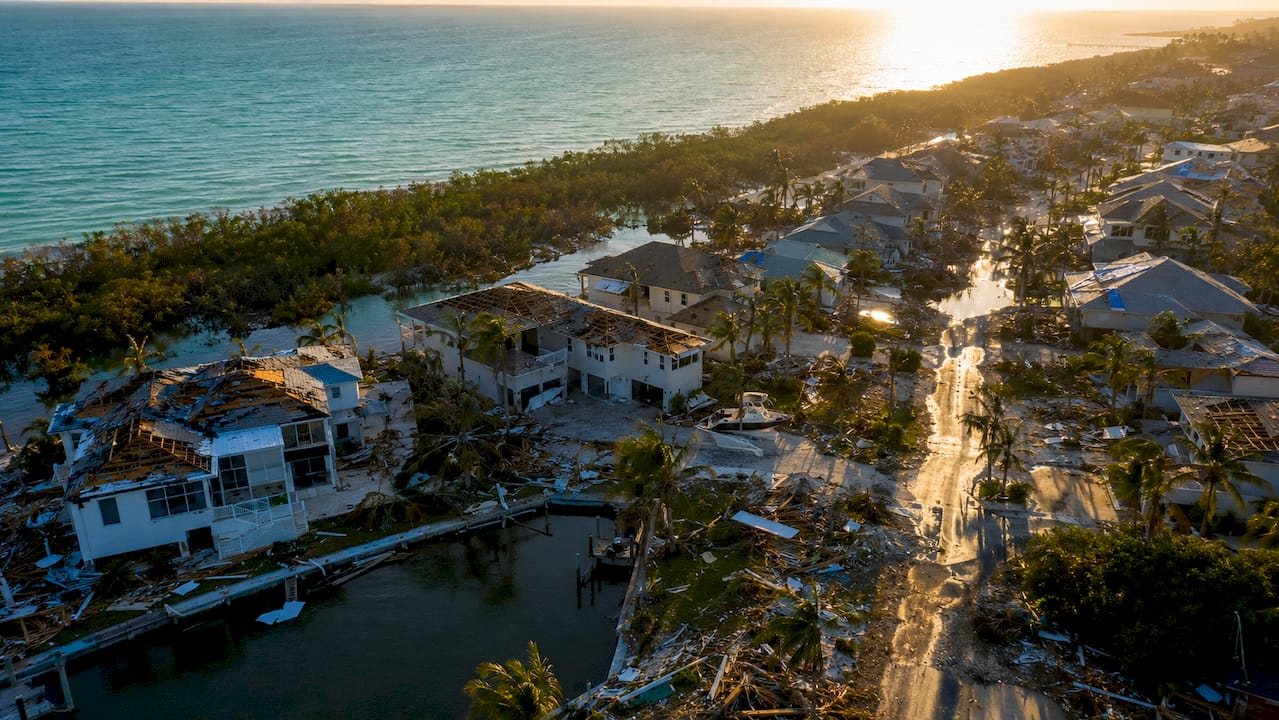
Flood zone classification adds another layer of risk that many owners misread. Approximately 25% of all NFIP claims come from homes in Zone X, which is widely perceived as low risk. That statistic means a Zone X designation does not protect you from flood loss or from rising insurance costs. Elevation above the Base Flood Elevation remains the most reliable indicator of long-term insurability and resale strength.
Pro Tip: If your Naples property sits in any FEMA flood zone, get a current elevation certificate before listing or renovating. It directly affects your insurance premium and your buyer’s financing options.
The 50% Rule and renovation risk
The FEMA 50% Rule requires that any renovation exceeding 50% of a home’s current market value in a flood zone triggers full compliance with current FEMA building standards. That can mean elevating the entire structure. Owners who plan major renovations without accounting for this rule face cost overruns that can exceed the renovation budget itself.
Key Naples property market risks to track:
- Flood zone reclassification after FEMA map updates
- Rising NFIP and private flood insurance premiums
- HOA and architectural review board non-compliance penalties
- Deferred maintenance compounding into buyer price reductions
- Unpermitted additions that void insurance coverage in flood zones
How proactive maintenance protects your property’s equity
Deferred maintenance lowers sale price by 5% to 15% as buyers factor visible wear into their offers. On a $549,000 Naples home, that range equals $27,450 to $82,350 in lost equity. The loss is not hypothetical. It shows up in every negotiation where a buyer’s inspector finds deferred issues.
Four maintenance priorities that preserve value
HVAC systems. Naples humidity accelerates coil corrosion and mold growth inside air handlers. A failed HVAC unit in a vacant home creates moisture damage within days, not weeks. Annual servicing and regular filter checks are non-negotiable for absentee owners.
Roof and flashing integrity. Post-Ian buyers scrutinize roof age and condition more than any other feature. A roof with documented maintenance history commands buyer confidence. One with visible wear triggers immediate price negotiation.
Plumbing and water intrusion. Slow leaks behind walls go undetected for months in seasonal homes. By the time visible damage appears, mold remediation costs can reach five figures. Weekly visual inspections catch early signs before they escalate.
Exterior and landscaping. Overgrown landscaping, peeling paint, and cracked driveways signal neglect to buyers before they step inside. Curb appeal is not cosmetic. It sets the buyer’s price anchor before the front door opens.
Pro Tip: Regular home watch inspections for seasonal properties catch HVAC failures, water leaks, and pest activity early. Catching a $200 plumbing issue before it becomes a $15,000 mold remediation is exactly how proactive maintenance protects equity.
Resilience upgrades now carry measurable market premiums in Naples. Impact windows, whole-home generators, and documented elevation certificates are moving from “nice to have” to buyer requirements. Owners who invest in these features are not just protecting against storm damage. They are positioning their property for faster sales and stronger offers in a market where buyers have become highly selective.
Why Naples market fragmentation demands submarket-level thinking
The Naples market is highly fragmented, and citywide statistics actively mislead owners and investors who rely on them. A 6.5% metro-wide price decline does not mean every neighborhood or property type fell equally. Some submarkets are holding value. Others are softening faster than the headline number suggests. Knowing which category your property falls into is the starting point for any protection strategy.
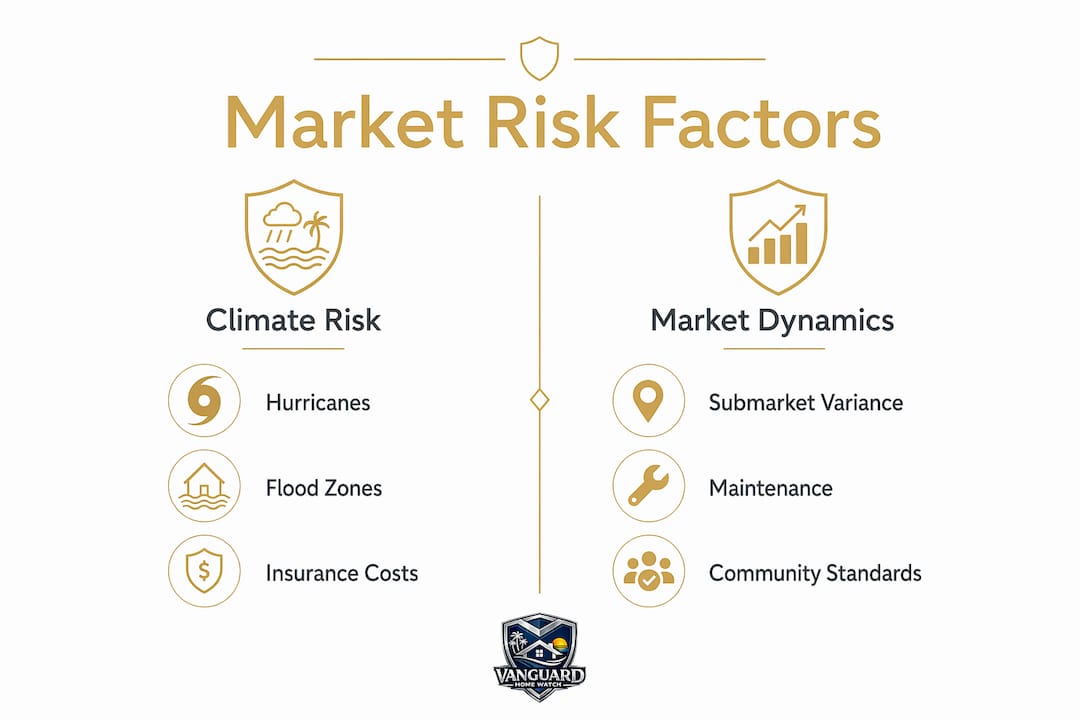
Luxury single-family homes in coastal Naples behave differently from entry-level condos in inland communities. Inventory levels, days on market, and buyer profiles diverge sharply across segments. An owner pricing a $2 million waterfront home using data from the broader Naples condo market will misprice in either direction, and both outcomes cost money.
| Submarket | Median price trend | Inventory level | Buyer profile |
|---|---|---|---|
| Luxury coastal single-family | Holding with resilience premium | Low to moderate | Cash buyers, primary and seasonal |
| Mid-tier single-family | Modest softening | Moderate | Financed buyers, relocating families |
| Luxury condo | Elevated inventory, price pressure | High | Seasonal, investor |
| Entry-level condo (under $300K) | Steeper price declines | High | First-time, investor |
Understanding submarket dynamics at a granular level separates investors who preserve value from those who absorb losses. Seasonal timing adds another layer. Summer months create buyer advantages as seasonal residents leave and motivated sellers increase. Investors who understand this cycle can negotiate better entry prices and protect their long-term return.
The Naples Area Board of REALTORS® tracks submarket-level data that goes well beyond what national platforms report. Owners who rely solely on Zillow or broad metro statistics are working with incomplete information in a market where the difference between submarkets can be $200,000 in median price.
What role do community standards play in safeguarding property values?
Communities with strictly enforced architectural guidelines retain property values more effectively during market softening. The mechanism is straightforward: consistent neighborhood appearance maintains buyer confidence when broader market conditions weaken. A single poorly maintained property on a block can reduce perceived value for every home around it.
HOA and architectural review boards serve as the enforcement layer that keeps neighborhoods cohesive. Architectural review boards and HOA guidelines prevent inconsistent renovations and preserve curb appeal, which directly influences long-term resale value. In a market where buyer selectivity is rising, neighborhood presentation is a competitive advantage.
Common HOA rules that directly influence property value preservation in Naples:
- Exterior paint color and material approval requirements
- Landscaping maintenance standards and timelines
- Restrictions on visible storage, vehicles, and equipment
- Fence height, style, and placement guidelines
- Rental frequency and duration limits that protect owner-occupant ratios
- Mandatory roof and driveway condition standards
Owners who stay current with HOA compliance protect their own value and contribute to the stability of the entire community. Violations that go unaddressed invite fines, legal action, and the kind of neighborhood deterioration that shows up in comparable sales data. Cohesive communities attract stable buyer pools even when the broader Naples housing market is under pressure.
Key Takeaways
Protecting Naples real estate values requires addressing climate risk, deferred maintenance, submarket fragmentation, and community standards simultaneously, not as separate concerns.
| Point | Details |
|---|---|
| Market decline is real | Naples median home prices fell 6.5% in 2025, the largest drop of any major U.S. metro. |
| Flood zone risk is underestimated | 25% of NFIP claims come from Zone X properties, making elevation certificates critical for every Naples owner. |
| Maintenance protects equity directly | Deferred maintenance reduces sale price by 5–15%, costing Naples owners up to $82,000 on a median-priced home. |
| Submarket data beats citywide averages | Luxury coastal and entry-level condo markets behave differently; pricing decisions require submarket-level analysis. |
| HOA compliance preserves neighborhood value | Enforced architectural standards maintain buyer confidence and resale strength during market downturns. |
What I have learned watching Naples properties through market cycles
I have spent years observing how Naples properties perform through storms, market corrections, and seasonal swings. The pattern is consistent: owners who treat their property as a passive asset lose ground. Owners who stay engaged preserve value and often outperform the market.
The shift I have seen most clearly since Hurricane Ian is how buyers evaluate risk. They are no longer impressed by granite countertops or updated kitchens if the home lacks impact windows, a documented elevation certificate, or a clean maintenance history. Resilience features have become the first filter, not the last. A property that checks those boxes sells faster and negotiates less. One that does not sits on the market and absorbs price cuts.
What surprises most owners is how much small, consistent attention matters. A home that is checked weekly does not develop the kind of deferred maintenance that shows up in buyer inspections. Water intrusion caught in week two costs a few hundred dollars. The same issue found six months later costs tens of thousands. That math is why I advocate for professional home watch services as a value protection tool, not just a convenience.
The mindset shift from reactive to preventive is the single most important change a Naples property owner can make in 2026. The market will continue to fragment, climate risk will continue to reprice properties, and buyers will continue to raise their standards. Owners who prepare for that reality protect their investment. Those who wait for problems to appear pay for them twice.
— Joseph
How Vanguard Home Watch LLC protects your Naples property value
Keeping a Naples property in peak condition while you are away requires consistent, professional oversight. Vanguard Home Watch LLC provides weekly visual inspections for vacant and seasonal homes across Naples, North Naples, and Ave Maria, identifying water leaks, HVAC failures, humidity issues, mold, pest activity, and storm damage before they become costly repairs.

Every visit produces a detailed digital report with photos, so you always know your property’s condition. Founded by retired law enforcement lieutenant Joseph Vangelakos and real estate professional Elizabeth Vangelakos, Vanguard Home Watch LLC is fully insured, bonded, background checked, and accredited by the National Home Watch Association (NHWA). Review our service frequency options to find the right inspection schedule for your property and budget.
FAQ
What is causing Naples home values to decline in 2026?
The Naples metro recorded a 6.5% median price decline in 2025, driven by rising insurance costs, climate risk repricing, elevated inventory in the condo segment, and longer days on market. These factors are compressing buyer demand and increasing seller concessions.
How does deferred maintenance affect a Naples home’s sale price?
Buyers factor visible maintenance issues into their offers, reducing sale price by 5% to 15%. On a median-priced Naples home, that represents a loss of $27,000 to $82,000 in negotiated equity.
What is the FEMA 50% Rule and why does it matter in Naples?
The 50% Rule requires that renovations exceeding half a flood-zone home’s market value trigger full FEMA compliance, including potential structural elevation. Naples owners planning major renovations must account for this rule before budgeting.
Why do Naples submarkets matter more than citywide statistics?
The Naples market is highly fragmented, with luxury coastal homes, mid-tier single-family properties, and entry-level condos each following different price and inventory trends. Citywide averages mask these differences and lead to mispricing decisions.
How does a home watch service protect property values in Naples?
Regular home watch inspections catch water leaks, HVAC failures, and pest activity early, preventing the deferred maintenance that reduces sale prices and buyer confidence. Consistent oversight keeps a property in market-ready condition year-round.

