Seasonal absence is the leading cause of undetected property damage for Naples snowbirds. When you leave your home for five or six months, Florida’s heat, humidity, and storm season work against your property every single day. Why Naples snowbirds return to damaged homes is not a mystery. It is the predictable result of a climate that punishes vacant properties, combined with the absence of regular eyes on the ground. Mold can colonize a wall in days. A clogged HVAC condensate drain can flood a ceiling in weeks. Understanding these risks is the first step toward protecting your investment.
What common types of damage affect Naples snowbirds’ homes after seasonal absence?
Naples homes face a specific set of threats during the off-season, and each one compounds the others. Florida’s subtropical climate creates conditions where damage accelerates faster than in most other states.
The most costly and common problems include:
- Mold and mildew growth. Without air conditioning cycling regularly, indoor humidity climbs above 60 percent. Mold can appear on walls, ceilings, and furniture within days. Mold remediation costs between $10,000 and $40,000 in Naples homes. That range reflects how quickly a small moisture problem becomes a full structural issue.
- Water intrusion from storms and plumbing failures. A slow roof leak or a failed supply line can cause $5,000 to $15,000 in water damage repairs. Storms accelerate this risk dramatically.
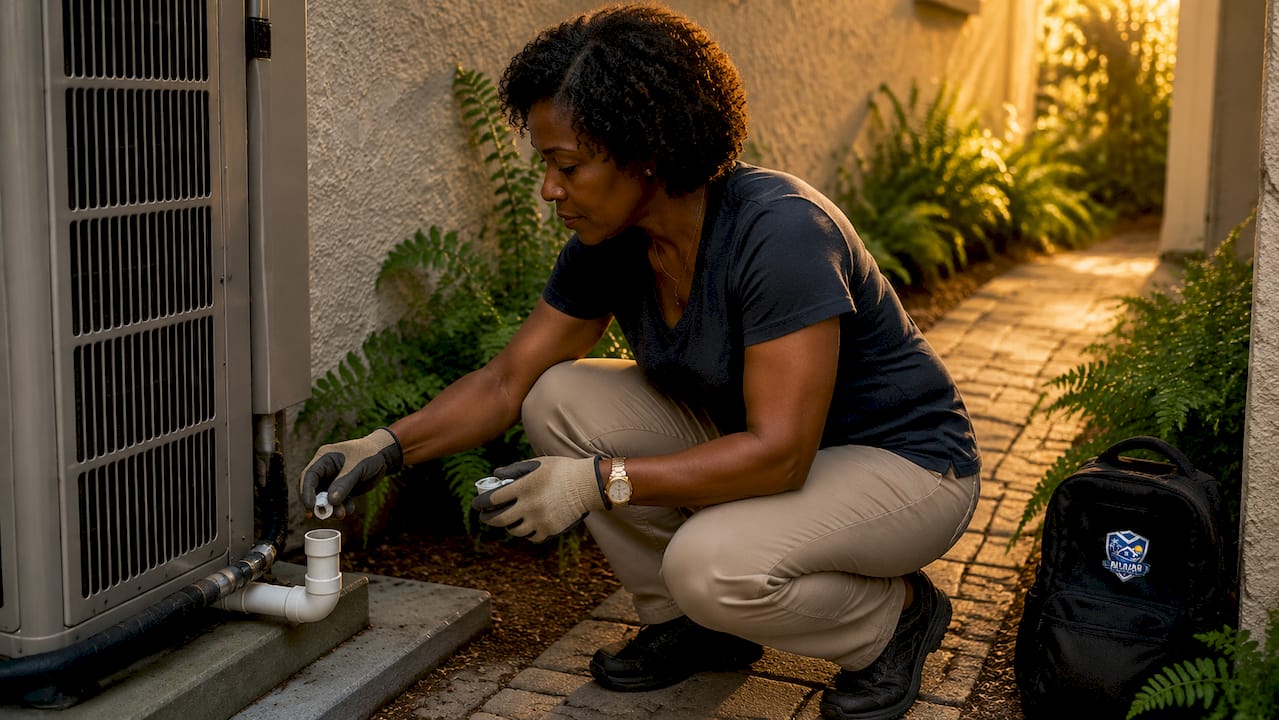
- HVAC condensate drain line clogs. Algae clogs drain lines within weeks of inactivity in Florida homes. When the drain overflows, water pours into ceilings and walls. Repairs for this single failure run $5,000 to $15,000.
- Pest infestations. Vacant homes attract rodents, cockroaches, and termites. A six-month absence gives pests enough time to establish colonies that require professional extermination.
- Pool neglect. Skipping routine pool maintenance during absence costs $1,500 to $4,000 to correct. Algae blooms and equipment failures are the most common results.
Pro Tip: Treat your HVAC condensate drain line with algaecide tablets before you leave each spring. This single step prevents one of the most expensive and most common failures in vacant Naples homes.
The total potential repair cost for a fully neglected home can exceed $40,000. That figure does not include storm damage, which operates on a completely different scale.
Why do delays in addressing property damage escalate problems for returning snowbirds?
Waiting to address damage is the single most expensive mistake Naples snowbirds make. Untreated water intrusion turns simple repairs into complex remediation within 48 to 72 hours. What costs $3,000 to fix on day one can cost $30,000 by day ten.
Hurricane Ian demonstrated this reality at a regional scale. The storm caused $2.2 billion in damage across Collier County, affecting over 3,500 buildings. Properties where owners responded quickly fared significantly better than those left unaddressed for weeks.
Three factors make delays especially damaging for seasonal homeowners:
- Secondary damage compounds primary damage. Water soaks into drywall, insulation, and framing. Mold follows within 24 to 48 hours. Structural materials that could have been dried and saved must instead be replaced.
- Contractor availability collapses after storms. Post-storm contractor demand spikes sharply. Homeowners without pre-established vendor relationships wait weeks or months for repairs. That wait turns manageable damage into a full remediation project.
- Insurance claims require timely documentation. Most policies require prompt notice of loss. Delayed reporting can reduce or void your claim, leaving you to cover costs out of pocket.
“Timely professional restoration is critical to protect property equity in a softening market.” — Industry guidance from Naples Collier County property damage assessments
The lesson is direct. Speed of response determines the final cost of repairs more than the severity of the original damage.
How can Naples snowbirds prepare and protect their homes before and during absences?
Prevention costs a fraction of what restoration does. Seasonal homeowners who build a preparation routine before leaving Naples each spring consistently face smaller repair bills upon return.
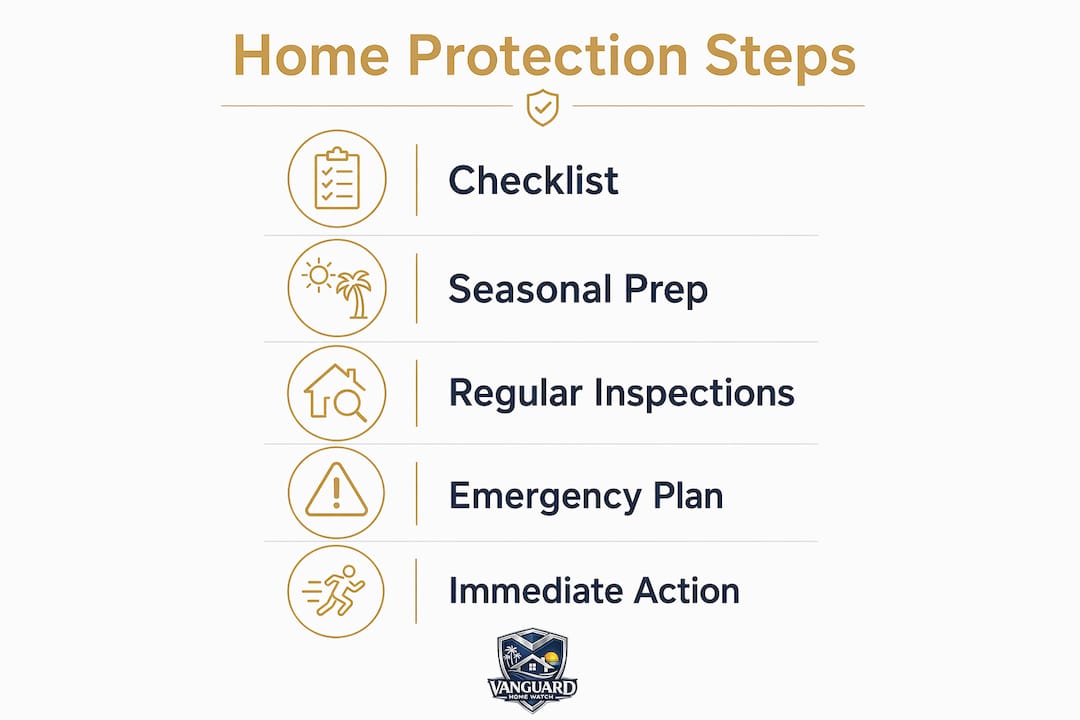
The most effective protective steps include:
- Schedule professional home watch inspections. Weekly visual inspections by a service like Vanguard Home Watch LLC catch problems before they escalate. A water leak found on day three costs far less to fix than one found six months later. The benefits of home watch service are measurable in dollars saved.
- Treat HVAC condensate lines before departure. Drop algaecide tablets into the drain pan. Set the thermostat no higher than 78 degrees Fahrenheit to keep humidity in check.
- Install hurricane fabric screens. Hurricane fabric screens offer effective, low-maintenance storm protection for unattended Naples homes. They protect openings from wind and debris without requiring you to be present to deploy them.
- Seal pest entry points. Caulk gaps around pipes, doors, and windows before you leave. Place bait stations in the garage and along the perimeter.
- Control interior moisture. Plug-in dehumidifiers with auto-drain features keep humidity below 55 percent even when the AC runs minimally. This single measure dramatically reduces mold risk.
- Establish an Emergency Response Plan. Identify licensed contractors for roofing, plumbing, and water mitigation before hurricane season begins. Pre-established relationships mean priority service when demand spikes.
Pro Tip: Use the Naples snowbird seasonal checklist to build a departure routine you can repeat every year. Consistency is what prevents the surprises.
A complete hurricane season checklist covers the specific steps Naples homeowners need before june 1 each year. Preparation done in april or may protects your property through november.
What steps should snowbirds take immediately upon returning to a possibly damaged Naples home?
Returning to a potentially damaged property requires discipline. The instinct to walk in and start cleaning is the wrong move. Experts advise waiting for professional clearance before fully reentering a home that may have sustained storm or water damage. Rushing in exposes you to mold spores, gas leaks, and structurally compromised areas.
Follow this sequence before touching anything:
- Contact your insurance company first. Report the damage before you begin any cleanup. Your adjuster needs to document conditions as they exist. Starting cleanup without notification can complicate your claim.
- Photograph and video everything. Walk the exterior and interior and record all visible damage. Capture water stains, broken windows, roof damage, and any standing water. This documentation is your claim’s foundation.
- Check for immediate safety hazards. Smell for gas. Look for sagging ceilings, cracked walls, or standing water near electrical panels. If any of these exist, do not enter further. Call the appropriate utility or emergency service.
- Install temporary protections. FEMA advises saving receipts for tarps, plywood, and other materials used to prevent further damage. These costs are reimbursable under most policies and FEMA assistance programs.
- Call a licensed restoration professional. Hidden moisture behind walls and under flooring requires moisture meters and thermal imaging to detect. A professional inspection finds damage that a visual walkthrough misses entirely.
Returning homeowners who skip these steps often discover additional damage weeks later that their insurance will not cover because it was not documented at the time of the original claim.
What resources and professional services support Naples snowbirds in managing home damage effectively?
Naples snowbirds who recover fastest from property damage share one common trait. They had professional relationships in place before the damage occurred. Reactive planning after a storm is always more expensive and slower than proactive planning before one.
The most valuable resources and service types include:
- Accredited home watch services. Vanguard Home Watch LLC is a National Home Watch Association (NHWA) accredited company. Weekly inspections with detailed digital reports and photos give you documented proof of your property’s condition throughout the season. Knowing what a home watch inspector does helps you understand the scope of protection you receive.
- Licensed restoration contractors. Certified water mitigation and mold remediation professionals follow IICRC standards. These standards define proper drying protocols, containment procedures, and clearance testing. Hiring a certified contractor protects your insurance claim and your health.
- Pre-season Emergency Response Plans. Establishing emergency plans before hurricane season is the key to timely repairs. An Emergency Response Plan names your preferred contractors, includes their contact information, and authorizes them to begin work on your behalf.
- FEMA disaster assistance. The FEMA helpline at 1-800-621-3362 connects you to federal assistance programs after a declared disaster. Eligibility depends on your location, insurance coverage, and the nature of the damage.
- Detailed home watch reports. Types of home watch reports vary from basic condition logs to full photographic documentation with annotated findings. The more detailed the report, the stronger your position with insurers and contractors.
Naples flood zone properties carry additional risk. Understanding why Naples flood zones need watch services is particularly relevant for homeowners in low-lying areas near the coast or inland waterways.
Key takeaways
Naples snowbirds who return to damaged homes consistently face higher costs and longer recovery times when they lack a proactive inspection and emergency response plan in place before they leave.
| Point | Details |
|---|---|
| HVAC neglect is the top hidden risk | Treat condensate drain lines with algaecide before departure to prevent $5,000–$15,000 in ceiling damage. |
| Speed of response controls final cost | Untreated water damage escalates within 48–72 hours; act immediately upon discovering any damage. |
| Document before you clean | Contact your insurer and photograph all damage before touching anything to protect your claim. |
| Pre-season contractor relationships matter | Post-storm contractor availability collapses fast; establish vendor relationships before hurricane season begins. |
| Weekly inspections prevent escalation | Professional home watch services catch problems early, when repairs are still manageable and affordable. |
What I’ve learned from watching Naples homeowners return to damaged properties
After years of working with seasonal homeowners in Naples, I have seen the same pattern repeat itself. Homeowners who treat their departure as a one-time checklist event almost always return to bigger problems than those who treat property care as a year-round responsibility.
The most painful situations I have witnessed involve HVAC failures discovered months after they occurred. A condensate line clogs in july. Water overflows into the ceiling. By the time the homeowner returns in november, the drywall is destroyed, the insulation is saturated, and mold has spread to the framing. What would have cost a few hundred dollars to prevent costs tens of thousands to fix.
The second pattern I see is the rush to clean up before calling the insurance company. I understand the impulse. You walk in, you see the mess, and you want to fix it immediately. But that impulse costs people real money. Adjusters need to see the damage as it was. Cleaning before documentation is one of the most common and most costly mistakes returning homeowners make.
My honest advice is this: build your team before you leave. Know your home watch provider. Know your licensed plumber, roofer, and water mitigation contractor. Have their numbers saved. Give your home watch service written authorization to coordinate emergency repairs on your behalf if needed. That single step has saved our clients thousands of dollars and months of stress.
Prevention is not expensive. Restoration is.
— Joseph
How Vanguard Home Watch LLC protects your Naples property while you are away
Vanguard Home Watch LLC provides weekly inspections of vacant and seasonal homes across Naples, North Naples, and Ave Maria. Every visit produces a detailed digital report with photos so you know exactly what is happening at your property, even from a thousand miles away. We are fully insured, bonded, background checked, and accredited by the National Home Watch Association.
If you want to understand which home watch service frequency fits your property and risk level, our 2026 comparison guide walks you through the options. You can also visit our Naples home watch services page to learn how we work and what our clients experience. Contact us today to schedule your first inspection before you head north this season.
FAQ
Why do Naples snowbirds so often return to damaged homes?
Seasonal absence removes the regular oversight that catches small problems early. Florida’s heat, humidity, and storm season create conditions where water damage, mold, and HVAC failures develop quickly in unattended homes.
How fast does mold grow in a vacant Naples home?
Mold can begin growing within 24 to 48 hours of a moisture event in Florida’s humid climate. Without air conditioning running consistently, interior humidity rises fast enough to support mold growth on walls and ceilings within days.
What should I do first when I return to a storm-damaged home?
Contact your insurance company before starting any cleanup. Document all damage with photos and video, check for safety hazards like gas leaks or structural instability, and install temporary protections like tarps to prevent further harm.
How does a home watch service prevent damage escalation?
Weekly inspections identify water leaks, HVAC failures, pest activity, and humidity problems while they are still small. Early detection keeps repair costs manageable and gives you documented evidence of your property’s condition throughout the season.
What is an Emergency Response Plan for a Naples seasonal home?
An Emergency Response Plan is a pre-season document that names your licensed contractors, authorizes them to begin repairs on your behalf, and outlines your priorities if a storm or other emergency damages your property while you are away.

