A complete snowbird home checklist for Naples is defined as a structured, phase-based plan covering pre-departure tasks, ongoing property monitoring, interior climate control, and hurricane readiness to protect your seasonal home during unoccupancy. Naples presents specific risks that northern markets do not: year-round humidity, an active hurricane season running june through november, and insurance policies with strict unoccupancy clauses that can void your coverage if ignored. Skipping key steps on this checklist can cost you. Naples mold remediation runs $10,000–$40,000 or more after undetected HVAC water damage. That number alone makes every item below worth your attention.
1. what are the critical pre-departure checklist items for snowbirds leaving naples?
The 30-day window before you leave Naples is the highest-leverage period in your entire seasonal home preparation. Every task you complete in this window directly reduces your exposure to the three most expensive risks: water damage, mold, and storm loss.
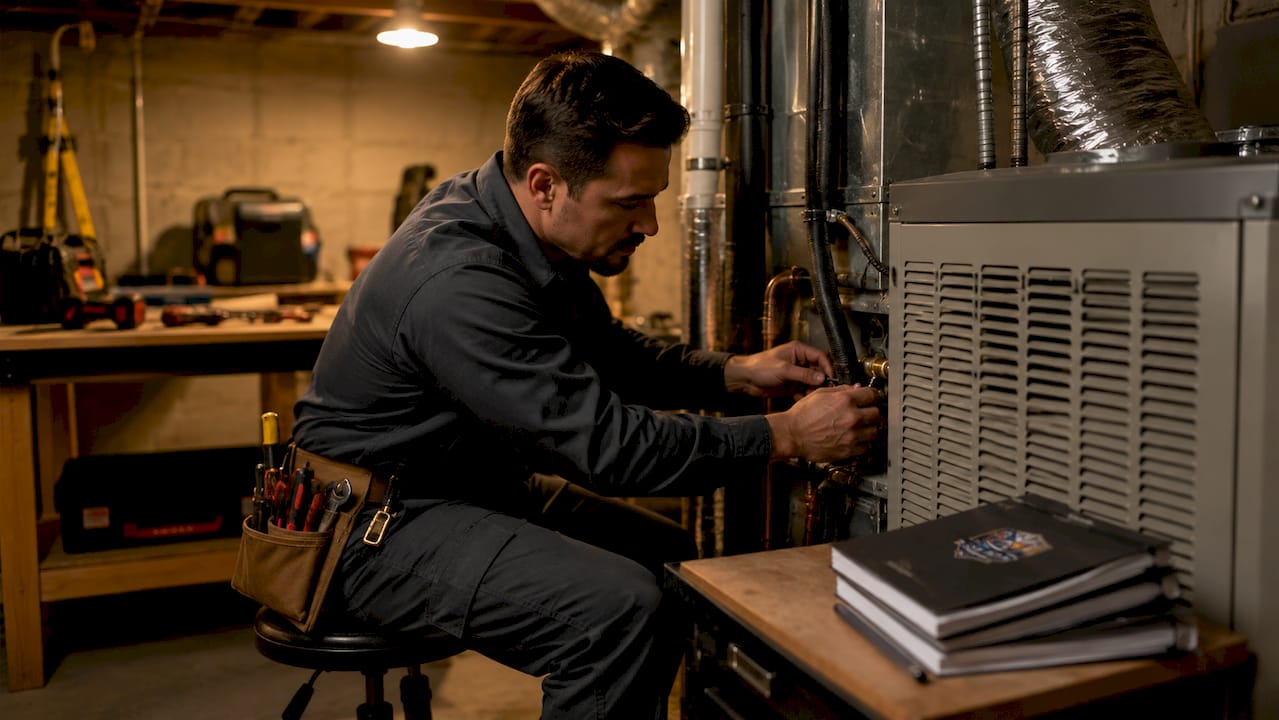
1. Service your A/C system. Schedule a licensed HVAC technician to clear the condensate drain line and inspect the unit. Condensate overflow is the most common cause of severe water damage in vacant Naples homes. Ask your technician to install an inline float switch on the drain line. This device shuts the system down automatically if a clog develops, stopping overflow before it soaks your ceiling or flooring.
2. Shut off the main water valve. Turning off water at the main valve is the single highest-value action you can take before departure. Also shut off the water heater to eliminate standby energy use and reduce the risk of a tank failure flooding your home while you are away.
3. Set your thermostat correctly. Leave the A/C running, set between 77°F and 80°F. This range keeps indoor humidity in check without running up your FPL bill. Turning the system off entirely is not an option in Southwest Florida’s climate.
4. Trim landscaping and clear loose debris. Overhanging branches and unsecured patio furniture become projectiles in a storm. Complete this trim within 30 days of departure so new growth does not create new hazards before the season ends.
5. Test hurricane shutters and document their condition. Operate every shutter panel and note any that stick, bend, or fail to lock. Photograph each one. This documentation supports insurance claims and confirms your storm-response plan is executable.
6. Forward mail and pause deliveries. Set up USPS mail forwarding and pause Amazon, FedEx, and UPS deliveries. A pile of packages on your front step signals vacancy to anyone watching the neighborhood.
7. Lock and secure all access points. Install smart locks or leave a physical key with your home watch provider. Confirm that your home watch service has current alarm codes, gate codes, and emergency contact numbers.
Pro Tip: Install a Wi-Fi enabled smart thermostat like an Ecobee or Honeywell Home T9 before you leave. You can monitor indoor temperature and humidity remotely and receive alerts if the A/C fails.
2. how ongoing home watch inspections protect your naples home
Professional home watch inspections, performed every 7–14 days during humid summer months, are the backbone of any reliable seasonal home protection plan. This practice is the industry standard for vacant property oversight, and it is what separates homeowners who catch problems early from those who return to catastrophic damage.
Here is what a qualified home watch inspector checks during each visit:
- HVAC function: Confirms the system is running, the thermostat is set correctly, and no condensate overflow has occurred.
- Water intrusion: Checks ceilings, walls, and under sinks for active leaks or staining that indicates a slow leak.
- Pest activity: Looks for droppings, nesting material, entry points, and signs of termite or rodent activity.
- Mold and humidity: Uses a hygrometer to verify indoor humidity stays below 55%. Visible mold growth on walls or grout is flagged immediately.
- Security: Confirms all doors, windows, and garage entries are locked and undisturbed.
- Storm damage: After any weather event, inspectors check the roof, lanai, and exterior for impact damage or displaced materials.
Smart home technology supplements but does not replace professional home watch inspections. Humidity sensors, leak detectors, and security cameras from brands like Moen Flo, Govee, and Ring provide real-time alerts. They cannot, however, detect mold behind a wall, identify structural settling, or confirm that a slow drain leak has been soaking your subfloor for two weeks.
“A dual-layer risk mitigation approach combining technology with physical inspections is the industry standard for protecting vacant seasonal homes in Florida.” — National Home Watch Association best practices
Insurance policies require documented, regular home watch visits, often bi-weekly, to keep coverage valid. Failure to meet these unoccupancy clauses can lead to claim denials for water or storm damage. Ask your insurer for the exact inspection frequency required and get it in writing before you leave.
3. interior home care practices to prevent mold and damage
Florida’s heat and humidity attack your home’s interior in ways that are not obvious until the damage is done. These interior care steps are specific to Naples seasonal homes and go beyond standard cleaning.
Deep clean all glass surfaces before departure. Standard cleaning is not sufficient for long-term vacancy. Organic residues left on mirrors and glass surfaces feed mold spores during the months you are away. Use an alcohol-based cleaner to remove all residue, then apply a hydrophobic coating to shower doors and exterior-facing glass. This treatment repels moisture and reduces the buildup that leads to etching and silvering decay.
Pro Tip: Products like Rain-X or professional-grade hydrophobic glass coatings applied before departure can protect shower glass and mirrors for an entire season without reapplication.
Additional interior care steps that make a measurable difference:
- Leave interior doors open. Closed doors trap humid air in rooms and closets. Open every interior door, including closets and pantries, to allow airflow throughout the home. This practice, sometimes called “summerizing,” reduces stagnant air pockets that accelerate mold growth.
- Pour mineral oil in drains. Water in P-traps evaporates over a long vacancy, allowing sewer gases to enter the home. A small amount of mineral oil poured into each drain slows evaporation and keeps the trap sealed.
- Unplug non-essential appliances. Televisions, coffee makers, and countertop appliances draw phantom power and present a fire risk over months of vacancy. Unplug everything except the refrigerator and any smart monitoring devices.
- Set the refrigerator correctly. If you leave it running, set it to the manufacturer’s recommended temperature and clean the coils before departure. If you empty and unplug it, leave the doors propped open to prevent mold inside.
Maintaining indoor humidity below 55% prevents both mold growth and the silvering decay that ruins mirrors and glass over time. Your thermostat setting and a properly functioning A/C system are the primary controls for achieving this.
4. how naples snowbirds should prepare for hurricane season
Hurricane preparedness is not a separate task from your seasonal home checklist. It is woven into every phase, from pre-departure through your return. Naples sits in one of the most active hurricane corridors in the United States, and a written storm-response plan is not optional.
1. Complete tree trimming and shutter testing within 30 days of departure. This is your last chance to address structural vulnerabilities before the season peaks.
2. Create a written hurricane plan with your home watch provider. The plan must specify shutter installation timing of 24–48 hours before projected landfall. Your home watch provider needs written authorization to act on your behalf, along with a clear chain of communication for storm alerts.
3. Confirm your insurance policy’s hurricane and unoccupancy clauses. Read the policy before you leave, not after a storm. Confirm what documentation your insurer requires to process a claim and whether your home watch inspection schedule satisfies their unoccupancy requirements.
4. Record timestamped video documentation before departure. Walk through every room, the exterior, the roof line, and the lanai. Timestamped video before departure is the baseline your insurer needs to establish pre-storm condition. Without it, disputed claims are common.
5. Schedule a post-storm inspection within 24 hours of the all-clear. Your home watch provider should perform a documented damage check immediately after a storm passes. Photographs and written reports from this visit are the foundation of any insurance claim.
Here is a quick comparison of what a prepared home versus an unprepared home looks like after a major storm event:
| Preparation Factor | Prepared Home | Unprepared Home |
|---|---|---|
| Hurricane shutters | Installed 24–48 hrs pre-landfall | Not installed or untested |
| Documentation | Timestamped pre-storm video on file | No baseline record |
| Post-storm inspection | Completed within 24 hrs of all-clear | Delayed days or weeks |
| Insurance outcome | Claim supported with evidence | Claim disputed or denied |
| Repair coordination | Managed through home watch provider | Owner scrambles remotely |
For a detailed hurricane preparedness checklist specific to Naples homeowners, Vanguard Home Watch LLC has published a step-by-step guide covering shutter protocols, vendor coordination, and post-storm documentation.
Also consider your roof as part of storm readiness. A South Florida roof care inspection before departure identifies loose tiles, cracked flashing, and compromised sealant that a storm will exploit.
Key takeaways
A complete Naples snowbird home checklist requires pre-departure HVAC maintenance, documented professional inspections every 7–14 days, interior humidity control below 55%, and a written hurricane plan with timestamped documentation to protect coverage and property condition.
| Point | Details |
|---|---|
| Pre-departure window matters | Complete HVAC service, shutter testing, and landscaping within 30 days of leaving Naples. |
| Inspections protect insurance | Bi-weekly home watch visits satisfy unoccupancy clauses and prevent claim denials. |
| Humidity is the primary threat | Keep indoor humidity below 55% with a running A/C set to 77°F–80°F to stop mold. |
| Technology alone is not enough | Smart sensors supplement but cannot replace physical inspections for mold and slow leaks. |
| Hurricane documentation is non-negotiable | Timestamped pre-departure video and a written storm plan are required for valid insurance claims. |
What i’ve learned after watching naples homes through every season
After years of performing home watch inspections across Naples, North Naples, and Ave Maria, the pattern is consistent. The homeowners who experience the most costly damage are not the ones who skipped everything. They are the ones who did most things right but missed one or two items they assumed were minor.
The condensate drain line is the most underestimated item on any seasonal home preparation list. I have walked into homes where a clogged drain line turned a functioning A/C system into a slow flood over six weeks. The ceiling damage, the flooring replacement, the mold remediation: it adds up fast. A float switch costs under $30 installed. The repair it prevents can cost $15,000.
The other pattern I see regularly is homeowners who rely entirely on smart devices and skip professional visits. A Moen Flo sensor is a genuinely useful tool. It will not tell you that mold is growing behind the baseboard in the guest bathroom, or that a pest has chewed through the weatherstripping on the garage door. Physical inspections catch what sensors cannot.
Professional home watch services are not a luxury for Naples seasonal homeowners. They are what keeps your insurance valid and your property intact. I have seen too many homeowners return in october to find a problem that started in june and compounded for four months because no one was checking.
The checklist in this article is not theoretical. Every item on it reflects a real failure mode we have documented in vacant Naples homes. Work through it methodically, and your property will be in the same condition when you return as when you left.
— Joseph
How vanguard home watch LLC supports your naples seasonal home
Vanguard Home Watch LLC provides weekly visual inspections for vacant and seasonal homes across Naples, North Naples, and Ave Maria. Every visit produces a detailed digital report with photos, delivered directly to you so you always know your home’s condition. We are fully insured, bonded, background checked, and accredited members of the National Home Watch Association (NHWA).
If you are working through your seasonal home preparation and want professional oversight in place before you leave, our inspection frequency guide walks through every service option and what each level of coverage protects against. You can also review what a home watch inspector does on every visit to understand exactly what you are getting. Contact us to schedule a consultation and build a plan tailored to your property.
FAQ
What should i do to my a/c before leaving naples for the season?
Have a licensed technician clear the condensate drain line and install an inline float switch before departure. Set the thermostat to 77°F–80°F to maintain humidity control while the home is vacant.
How often does a home watch inspector need to visit my naples home?
Inspections every 7–14 days are the industry standard during humid summer months. Many insurance policies require documented bi-weekly visits to keep unoccupancy coverage valid.
Can smart home devices replace professional home watch inspections?
No. Smart devices supplement but do not replace physical inspections. Sensors miss mold growth, structural issues, and slow leaks that a trained inspector detects in person.
What happens if i don’t comply with my insurance unoccupancy clause?
Your insurer can deny claims for water damage or storm loss if you cannot document regular home watch visits. Confirm your policy’s inspection frequency requirement in writing before you leave Naples.
When should hurricane shutters be installed on a vacant naples home?
A written hurricane plan should specify shutter installation 24–48 hours before landfall. Your home watch provider should have written authorization to coordinate this on your behalf.

